Get in touch
Fill this up to proceed

We are committed to providing a world-class carpet, rug, upholstery, drapery or mattress cleaning services that will open your door to a happier and healthier green indoor environment.
Pet proof home preparation is one of the most important steps you can take before welcoming a new pet into your space. From chewing hazards to unsafe cleaning products, even the coziest home can present hidden risks for animals. Whether you live in a bustling city apartment or a coastal haven like Manhattan Beach, creating a secure environment ensures your pet can explore, rest, and bond with you safely.
One of the first steps in creating a pet proof home is to give your entire space a thorough cleaning. Not only does this remove hazards, but it also gives your new pet a safe, fresh place to settle in.
Cleaning tips before your pet arrives:
In Manhattan Beach, homes near the coast may also bring in sand and moisture—so it’s important to clean regularly, especially if your new pet will have outdoor access.
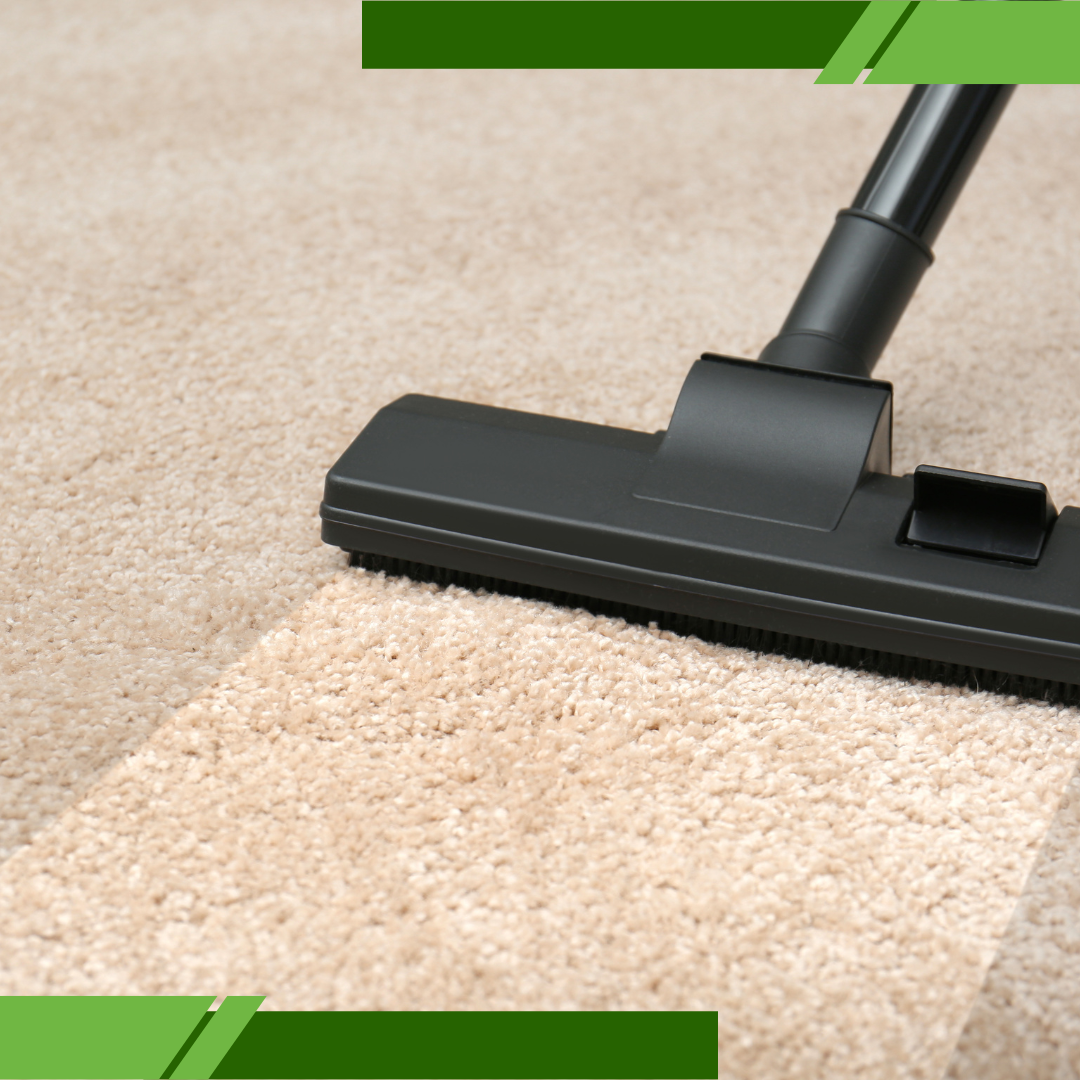
Once your home is clean, focus on prepping individual rooms with your pet’s comfort and safety at the forefront. Whether you’re welcoming a puppy, kitten, or rescue pet, every area should be assessed for pet friendliness.
Pet-proofing ideas for different rooms:
If you’re living in Manhattan Beach, consider using washable rugs and mats in rooms your pet will frequent, especially near entryways where sand and moisture can accumulate. These extra layers of protection help maintain a cleaner environment and support your overall efforts to maintain a pet proof home.
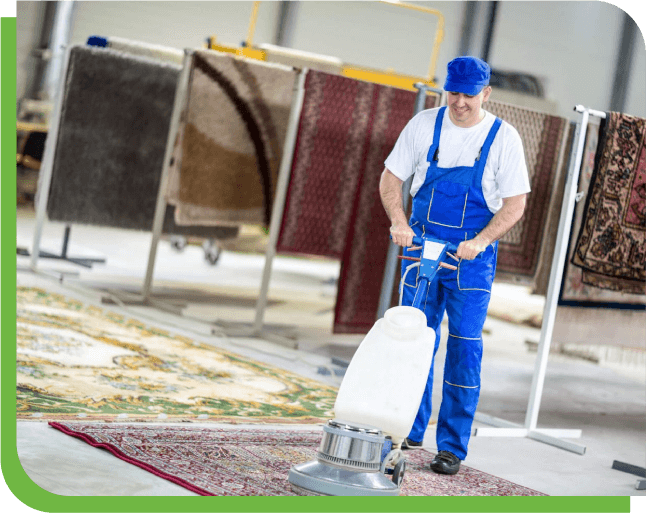
A well-organized supply area is a key part of setting up a fully functional pet proof home. Having everything your pet needs in one place not only reduces stress for you but also helps your pet adjust faster to their new surroundings.
Must-have supplies to prepare:
Create a dedicated space for your pet’s belongings so they’re easy to access and won’t clutter the rest of the home. In Manhattan Beach, homes with limited indoor storage might benefit from multi-functional furniture like ottomans or benches with built-in compartments.
A clean environment is crucial for a happy and healthy pet proof home. Pets bring love and energy—but they also bring hair, dirt, and the occasional mess. Staying on top of cleaning ensures your home remains safe and welcoming for both you and your new companion.
Cleaning habits to adopt once your pet arrives:
Keeping up with routine cleaning not only protects your furniture and flooring but also improves indoor air quality, which is a win for everyone in the household.
Start with a deep clean and remove small or dangerous items that your pet could chew, ingest, or trip over.
Yes, avoid cleaners with ammonia, bleach, or phenol. Always choose pet-safe, non-toxic products.
Yes. Limit their access at first to help them adjust and prevent accidents or damage while they learn boundaries.
Remove rugs that slide easily, and consider area rugs with non-slip backings. Frequent vacuuming and occasional carpet cleaning will help maintain cleanliness.
Use child-proof locks or pet-proof latches on cabinets and use trash cans with locking lids or hidden compartments.
We are committed to providing a world-class carpet, rug, upholstery, drapery or mattress cleaning services that will open your door to a happier and healthier green indoor environment.
We are committed to providing a world-class carpet, rug, upholstery, drapery or mattress cleaning services that will open your door to a happier and healthier green indoor environment.
