Get in touch
Fill this up to proceed
We are committed to providing a world-class carpet, rug, upholstery, drapery or mattress cleaning services that will open your door to a happier and healthier green indoor environment.
In our race toward net-zero emissions and healthier lifestyles, we often overlook one of the most impactful contributors to environmental stewardship—cleaning. While it may seem mundane, cleaning plays a profound role in driving workplace wellness, supporting sustainable business operations, and safeguarding our environment. When done consciously, sustainable cleaning practices become a force multiplier for positive change.
Cleanliness isn’t just about aesthetics—it’s about health. Dust, mold, and airborne pathogens thrive in poorly maintained spaces. Regular cleaning, especially when aligned with sustainable cleaning practices, reduces the presence of allergens and bacteria. This means fewer sick days, better concentration, and enhanced well-being.
Disorganized or cluttered environments are known to cause cognitive fatigue. A consistently clean workplace, maintained with eco-friendly methods, supports focus and mental clarity. Studies show that clean spaces increase productivity by up to 15%, and sustainable cleaning practices amplify that by aligning wellness with purpose.
Trained cleaning teams are frontline defenders against accidents. They identify slip risks, fire hazards, and maintenance issues before they escalate. Using low-toxicity products and proper ventilation as part of sustainable cleaning practices also protects both the workers and the environment.
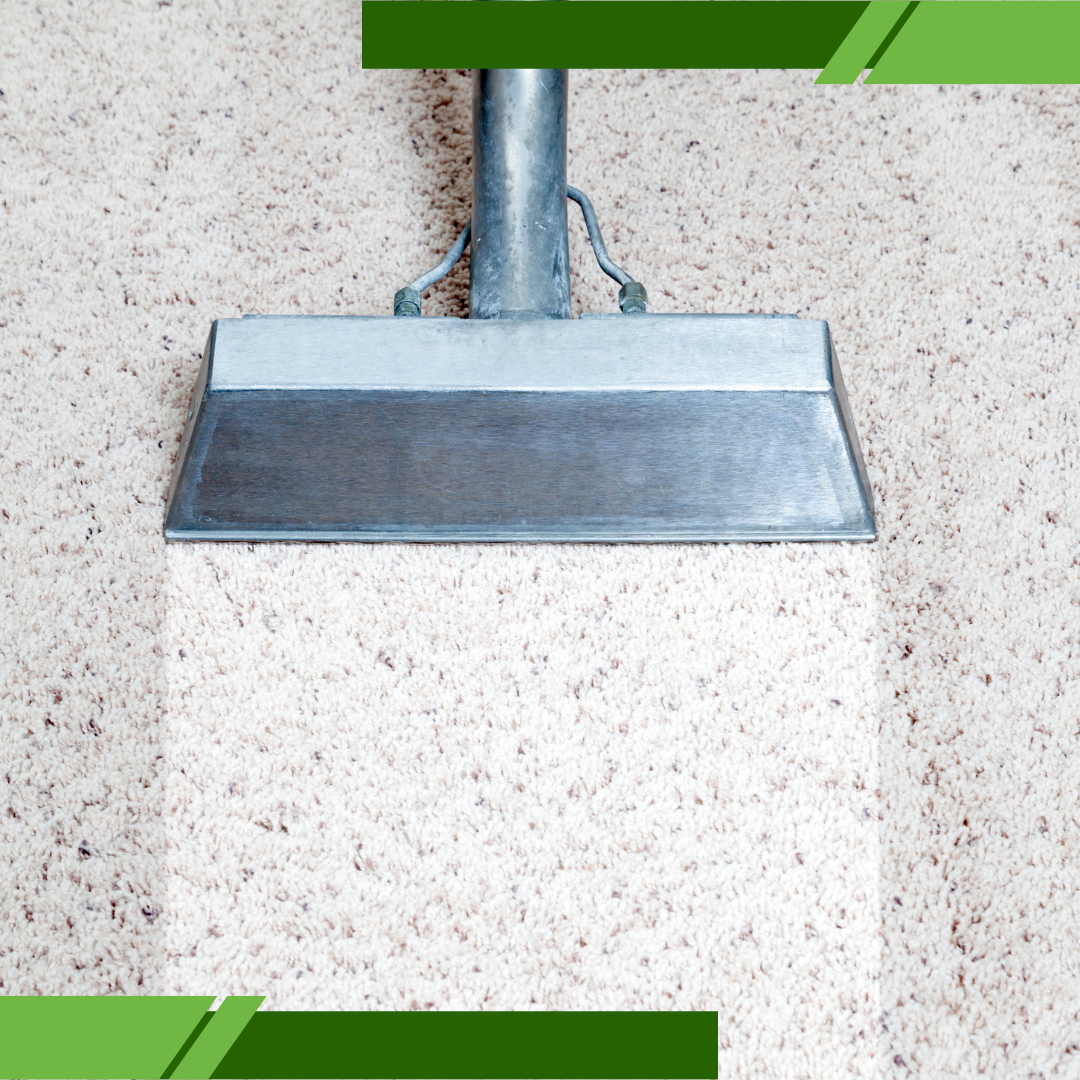
Sustainable cleaning practices play a vital role in strengthening corporate governance. By using eco-friendly products, reducing waste, and adopting energy-efficient tools, organizations create healthier environments while aligning with ethical and regulatory standards. These practices lower risks, support environmental compliance, and improve employee well-being. Businesses offering services like Carpet Cleaning Manhattan Beach are embracing sustainable cleaning practices to reduce chemical use and promote indoor air quality. Incorporating these methods into governance frameworks enhances transparency and supports ESG reporting. It also reflects a company’s commitment to long-term responsibility and stakeholder trust. From daily operations to strategic policies, sustainable cleaning practices are essential for smarter governance—ensuring cleanliness, safety, and sustainability go hand in hand across industries and communities.
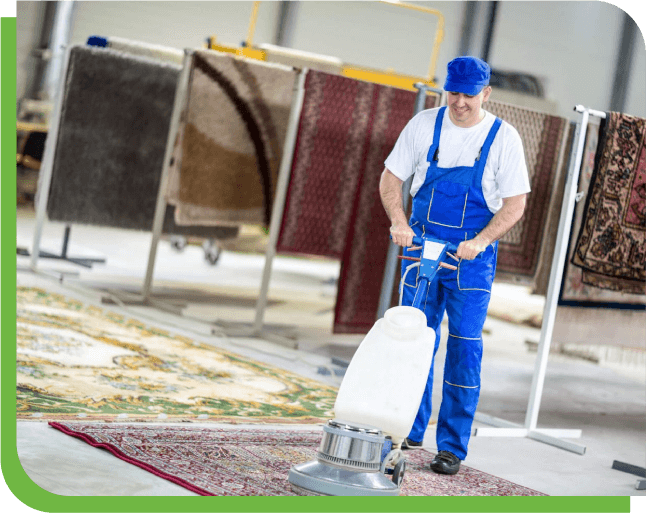
Choosing biodegradable products, water-efficient machines, and reusable tools reduces waste and emissions. These are hallmarks of sustainable cleaning practices, which aim to leave a smaller environmental footprint.
Progressive organizations are embracing circular thinking in maintenance. For example:
Sustainability isn’t always visible, but it’s powerful. Switching to microfiber cloths, investing in refillable solutions, and minimizing packaging are ways sustainable cleaning practices bring efficiency and environmental care into balance.
Integrating sustainable cleaning practices begins with thoughtful product selection and staff education. Choose biodegradable, non-toxic cleaning solutions that are safe for both humans and the environment. Replace disposable items with reusable tools like microfiber cloths and mop heads. Train your cleaning staff on eco-conscious methods and the importance of sustainability in their daily routines. These foundational steps not only improve cleaning efficiency but also reduce environmental impact.
To scale these efforts, organizations should partner with vendors who prioritize sustainable cleaning practices in their supply chains. Implement monitoring systems to track resource usage and waste reduction. Incorporate green certifications and establish regular audits to measure performance. By embedding sustainable cleaning practices into everyday operations, businesses can drive long-term savings, enhance workplace health, and contribute meaningfully to corporate social responsibility goals.
These are methods that use environmentally friendly tools, techniques, and materials to clean spaces without compromising people’s health or the planet.
They enhance workplace wellness, reduce costs, support regulatory compliance, and build trust among stakeholders.
Yes, many are just as powerful as traditional chemicals—minus the toxic residue and environmental damage.
Not necessarily. Long-term savings from reduced resource usage and waste management often outweigh initial investments.
Begin by evaluating your current cleaning routine, switching to certified green products, and training staff on proper protocols.
We are committed to providing a world-class carpet, rug, upholstery, drapery or mattress cleaning services that will open your door to a happier and healthier green indoor environment.
We are committed to providing a world-class carpet, rug, upholstery, drapery or mattress cleaning services that will open your door to a happier and healthier green indoor environment.
