

Drapery Cleaning at Green Carpets Cleaning comes from in-house, background-checked technicians. They’ve worked this trade for eleven years, never a rotating crew of third-party subcontractors. You’ll see the same faces at your appointment and any follow-up visit. Our process uses low-moisture, in-place cleaning that treats drapes right on the rod. That avoids the re-creasing and sun fading that comes from taking panels down and rehanging them. Craftsmanship shows in the finish.
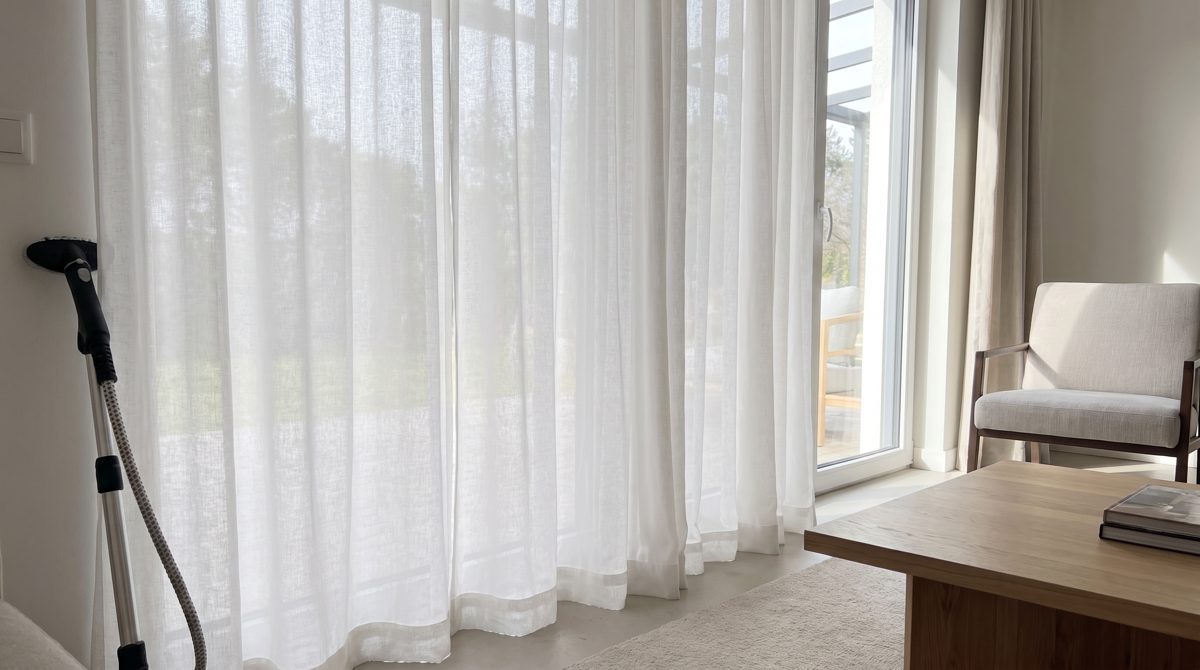
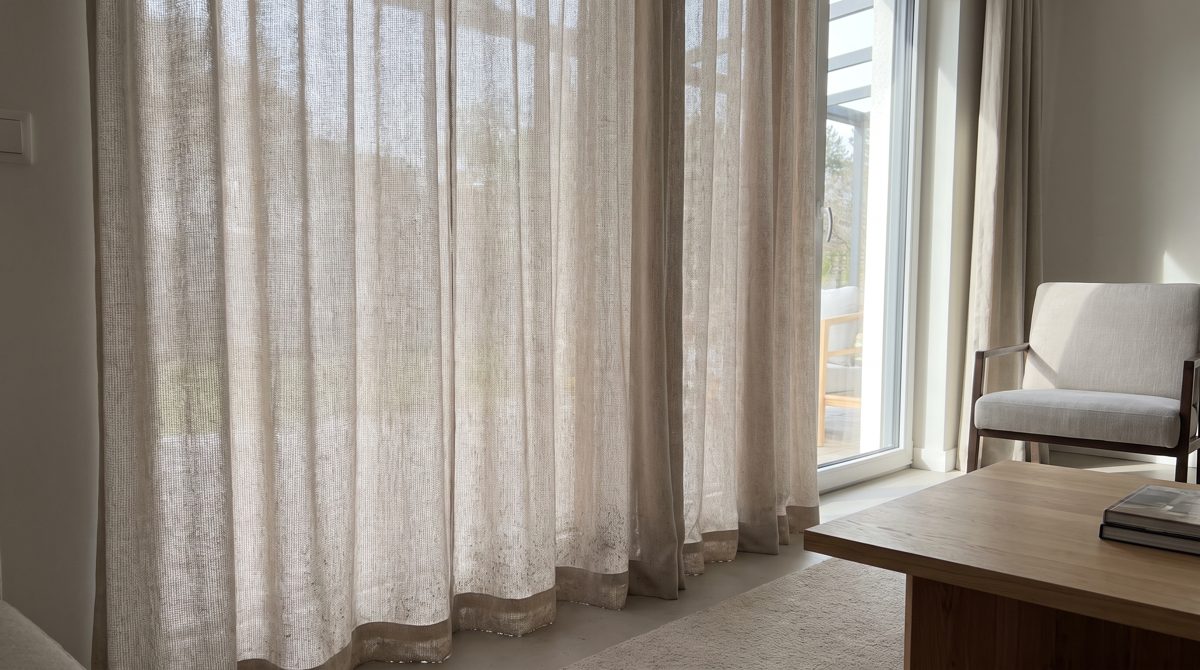
We test colorfastness before cleaning so silk, cotton, and blended drapery fabrics come out safe, not shrunk.
Every crew member is background-checked, trained in-house, and never a subcontractor pulled in for the day.

Need professional drapery cleaning fast? We book most jobs within a few days, not weeks out.
If a spot resists the first pass, we'll return and treat it again at no charge.
We check fabric type, hem weight, and hardware condition before choosing a cleaning method for your drapes.
We clean drapes hanging on the rod using low-moisture extraction, which avoids the re-creasing that removal causes.
Dry-solvent extraction lifts trapped dust, pet dander, and smoke residue from deep in the pleats.
We rehang each panel to its original pleat and length, which stops fresh creasing and uneven sun fading.
“The smoke smell from a small kitchen fire soaked into our living room drapes. One visit later, the odor was completely gone from the fabric.”
“Our silk dining room panels needed gentle handling and the crew tested a hidden corner first before touching the rest. Panels came back looking bright, not stiff.”
“Sun had faded one panel more than the rest and I figured it was ruined. Cleaning brightened the fabric some, though the technician was upfront the fade itself wouldn’t reverse.”
“They cleaned four sets of drapes in about three hours without taking a single panel down off the rods. Dust that used to trigger my allergies is gone.”







Notice one drapery panel looks lighter than the others near the window? UV rays break down dye molecules in the fabric over months. Once that fading sets in, no amount of washing pulls the color back. Professional drapery cleaning can still help, though, by clearing the buildup that makes fading look worse. Trapped dust and grime dull the fibers and make sun damage more obvious. Our drapery cleaner uses low-moisture dry-solvent extraction, right on the rod, following standards set by the IICRC. It won’t undo sun fading, but it brightens the surrounding fabric. Need your floors freshened up too? Our carpet cleaning team can handle that on the same visit.

Drapery Cleaning services vary a lot between companies. The difference usually comes down to what happens before the solution touches your fabric. We test a hidden hem corner for colorfastness before treating the whole panel. Silk drapes get different agitation than heavy cotton ones. That single step is why homeowners call us the best drapery cleaner after a bad experience elsewhere. Our crew handles drapery cleaning and rehanging as one visit, working panels on the rod. Nothing gets mismeasured on the way back up. Dry times run under four hours in most rooms, though humidity and fabric weight can push that longer. If your sofas and chairs need attention too, our upholstery cleaning crew can join the same appointment.

Most homeowners get drapery cleaning done every two to three years if the room sees normal daily light and dust. Homes near a busy street, with wood-burning fireplaces, or with pets shedding near the windows usually need it closer to the eighteen-month mark. We look at the fabric weight and how dingy the lower hem looks compared to the top pleats during our walkthrough, and go from there. Waiting too long lets dust work deep into the weave, which makes the eventual cleaning take longer and pull more soil out at once. If you’re not sure where your drapes stand, we’re happy to take a quick look and give you an honest read before booking anything.
You won’t need to unhook anything for standard drapery cleaning. Our low-moisture method treats the fabric while it hangs on the rod, using controlled dry-solvent extraction instead of soaking the material. That matters because taking panels down and rehanging them is exactly what causes new creases and uneven fading where the fabric gets folded over the rod during transport. Leaving drapes in place also means the hem falls back to its original length instead of getting rehung a half-inch off, which happens more than people expect. For heavily soiled or very delicate panels, we may recommend a take-down clean instead, and we’ll tell you upfront if that’s the better call for your fabric.
Yes, our crew handles fine natural weaves including silk, velvet, linen, and embroidered panels on a regular basis. Each fabric reacts differently to moisture and agitation, so silk gets a much gentler, near-dry approach compared to sturdier cotton or polyester blends, which can handle a bit more solvent and brushing. We always test an inside corner or hidden seam first to check for dye bleeding or shrinkage before touching the visible fabric. If a panel has hand embroidery or beading, we adjust our tools and slow down in those sections so nothing snags or pulls loose. It takes longer than a standard job, but that’s the tradeoff for protecting fabric you can’t easily replace.
Because we use low-moisture dry extraction, most drapes are dry to the touch within two to four hours after we finish. Heavier fabrics like velvet or lined panels can run closer to six hours, especially in rooms with less airflow or higher humidity. We open windows and run fans where it’s practical to speed things along, though we won’t rush a fabric that needs the extra time to dry evenly. Rehanging happens once the panel is fully dry, not while it’s still damp, because rehanging early is what leads to water spotting or a musty smell setting into the pleats. We’ll let you know a realistic window before we start so you can plan around it.
Our in-home drapery cleaning process removes most trapped pet dander, tobacco smoke, and cooking residue that settles into fabric over time. The low-moisture solvent breaks down oily smoke particles that regular vacuuming can’t reach, since those particles bond to the fiber rather than sitting on the surface. For heavy smoke odor, like from a kitchen fire or years of indoor smoking, we sometimes recommend a second pass to fully clear the smell. We can’t promise every trace of odor disappears in one visit if the buildup is severe, but most households notice a real difference after the first cleaning. You’ll always get a straight answer about what to expect for your specific situation.
Standard household vacuum attachments only pull loose surface dust off the front of the fabric. They can’t reach the dust, allergens, and grime packed into the upper pleats and folds where the material doubles over itself, which is where most of the buildup actually collects. A vacuum also can’t lift oily residue from cooking or smoke, since that needs a solvent to break it down rather than suction. Professional drapery cleaning uses equipment built to work solvent through the weave without soaking the backing or the lining, then extract it back out. Regular vacuuming between our visits still helps keep surface dust down, so we’d never tell you to skip it.
While professional drapery cleaning removes soil and brightens dingy fabric, it can’t reverse physical sun fading that’s already happened to the fibers. UV exposure breaks down the dye at a molecular level, and no cleaning solvent puts that color back once it’s gone. What cleaning can do is remove the layer of dust and grime sitting on top of the faded fabric, which often makes the color difference look less dramatic side by side. If fading is severe on just one panel, some homeowners choose to rotate panels between rooms or replace the worst one instead of chasing a color match that isn’t realistic. We’ll always tell you honestly what the cleaning can and can’t fix.
Blackout linings need careful handling because aggressive solvents or high heat can degrade the coating that blocks light and gives the lining its weight. We use a lower-heat, low-moisture approach on blackout panels specifically to protect that coating, since standard steam methods can cause it to crack or peel over time. The lining also gets checked separately from the face fabric, because the two materials sometimes react differently to the same treatment. If your blackout curtains are older or the coating already looks worn, we’ll flag it before starting so you know what to expect on the finish. Most blackout panels come out noticeably cleaner without any change to how well they block light.
Getting ready for our visit is simple. All we ask is that you clear small decor items, plants, or furniture sitting directly beneath the drapes so our crew has room to work safely. If you have pets, it helps to keep them in another room while we’re setting up equipment near the windows. We’ll do a quick walkthrough with you before starting so you can point out any spots or damage you’ve already noticed, and we’ll note fabric condition together before touching anything. There’s no need to pre-treat stains yourself. In fact, home remedies sometimes set a stain deeper into the fabric, so it’s better to just let us assess it when we arrive.
Thank you. We’ve received your submission and will get back to you shortly.