Get in touch
Fill this up to proceed

We are committed to providing a world-class carpet, rug, upholstery, drapery or mattress cleaning services that will open your door to a happier and healthier green indoor environment.
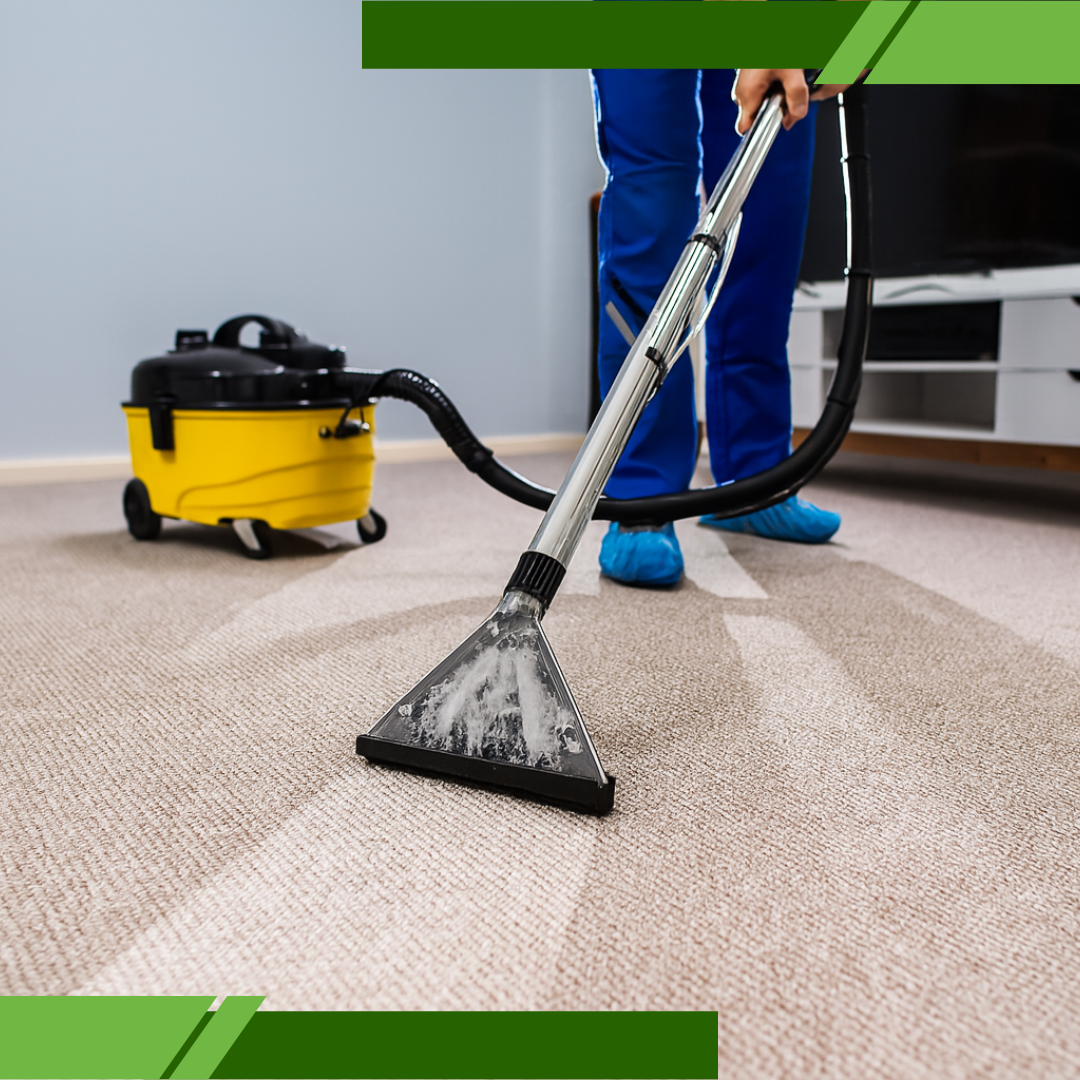
Most people imagine their homes are safe and comfortable, yet hidden allergens silently collect in places we don’t often think about. Dust, pet dander, mold spores, and pollen slip into the smallest cracks and corners, making us sneeze, cough, or even lose sleep. Families who want healthier indoor air need to understand that the real trouble often lies in the overlooked spaces. This is why learning effective cleaning strategies for hidden allergen accumulation is more important now than ever. Allergies may not always come from outside but from the very home you live in.
Many assume allergens are only linked to pollen or pet hair, but they thrive in less obvious places like carpets, curtains, bedding, and even air ducts. If you’ve been feeling tired, congested, or itchy without explanation, hidden allergens may be the cause. With cleaning strategies for hidden allergen accumulation, you can target those secret hiding spots and finally breathe easier. One family in Pacific Palisades once thought their son had constant flu-like symptoms until a deep cleaning revealed years of buildup. Within weeks, his health improved, proving that solutions often lie in the places we least expect.
Cleaning strategies for hidden allergen accumulation are not complicated, but they require consistency and awareness. Many households overlook daily habits that encourage allergens to multiply. For example:
Every small neglect creates opportunities for allergens to thrive. But with simple and practical cleaning strategies for hidden allergen accumulation, you can reclaim a healthier environment for your entire family.
It helps to think about hidden allergen sources and the problems they cause. Here are some of the most common ones with their cleaning solutions:
By following these steps, you address the less obvious areas that cause persistent allergies.

People often underestimate carpets. They may look clean on the surface, but each fiber can hold dust, pet hair, and mold spores that are invisible to the eye. The problem grows when foot traffic pushes allergens deeper, releasing them into the air every time you walk.
For households in coastal areas like Pacific Palisades, the damp sea breeze can even increase the risk of mold growth inside carpet fibers. That’s why scheduling professional services such as Carpet Cleaning Pacific Palisades is essential for long-term health. Deep cleaning penetrates beyond the surface and removes hidden allergens before they cause harm.
Cleaning strategies for hidden allergen accumulation stress the importance of tackling carpets not only with regular vacuuming but also with professional care.
Cleaning strategies for hidden allergen accumulation extend to furniture too. Sofas, recliners, and chairs trap layers of dust, crumbs, and allergens over time. Few households vacuum or wash furniture covers consistently, yet this step is critical.
Tips include:
By combining these small habits, allergen buildup can be cut in half.
Even if you don’t have visible dust, curtains and blinds are another overlooked hazard. Every time you open or close them, microscopic particles fall into the air. Washing fabric curtains once a month and wiping blinds weekly keeps allergens under control.
Bedding is another allergen hotspot. Dust mites thrive in pillows, mattresses, and blankets because of warmth and skin cells. Cleaning strategies for hidden allergen accumulation emphasize:
Families who follow these steps often notice improved sleep and fewer allergy flare-ups.
Vacuuming, dusting, and washing are the basics, but many homeowners wonder how to go beyond everyday cleaning. Tools and products can make cleaning strategies for hidden allergen accumulation more effective.
Sometimes, professional help is the most efficient solution. When allergens are too deep or widespread, scheduling a professional cleaning service ensures your home gets the attention it needs. Many households rely on trusted resources like professional carpet cleaning services to save time and guarantee results.
Air ducts and vents deserve extra attention because they distribute allergens throughout the house. Even if one room is clean, a dirty duct can push dust everywhere. Professional duct cleaning every two to three years is best, especially in older homes.
Residents in coastal areas like Pacific Palisades should be extra cautious. Salty air often increases moisture in vents, encouraging mold growth. Cleaning strategies for hidden allergen accumulation are critical here because mold spores can circulate widely if ducts remain unclean.
Decluttering is underrated but powerful. A cluttered home provides more surfaces for dust to settle. Cleaning strategies for hidden allergen accumulation recommend reducing unnecessary items, old magazines, or unused clothes. Minimalist homes tend to have fewer allergens because there are fewer hiding spots.
Pets add joy but also bring allergens. Even hypoallergenic breeds shed skin flakes. Grooming weekly, bathing monthly, and washing pet bedding often reduces allergen spread. Families in Pacific Palisades with dogs who enjoy beach runs know how much sand and dander end up indoors. Staying consistent with pet grooming is just as important as cleaning furniture and floors.
Another overlooked allergen source is shoes. Each step outdoors brings in pollen, dust, and spores. Creating a shoe-free policy indoors keeps allergens outside. Place mats at entrances and vacuum entryways more often.
Floors and baseboards should not be forgotten. Dust and pet hair collect at ground level, and baseboards often remain untouched. Wiping with microfiber every two weeks helps reduce buildup. Even these small steps contribute to effective cleaning strategies for hidden allergen accumulation.
For those living in coastal environments such as Pacific Palisades, salty air mixed with humidity increases the need for extra diligence. Mold spores thrive in bathrooms, kitchens, and basements. Simple but effective solutions like vinegar and baking soda help scrub tiles and grout. Families who stay consistent notice reduced allergy symptoms.
If you notice coughing, sneezing, or congestion at home that eases when you go outside, hidden allergens may be the cause. Regular deep cleaning and monitoring air quality can help confirm it.
Focus on vacuuming carpets with HEPA filters, washing bedding weekly, and cleaning curtains or blinds. These areas trap the most dust, dander, and pollen.
Vacuum carpets and furniture at least twice a week with a HEPA vacuum. Schedule a professional deep cleaning every 6 to 12 months.
Basic cleaning can be handled at home, but professionals can reach deeper allergen buildup. Consider expert services if allergies persist despite regular cleaning.
Groom pets weekly, bathe them monthly, and wash their bedding often. Vacuum pet areas more frequently to prevent dander and hair buildup.
We are committed to providing a world-class carpet, rug, upholstery, drapery or mattress cleaning services that will open your door to a happier and healthier green indoor environment.
We are committed to providing a world-class carpet, rug, upholstery, drapery or mattress cleaning services that will open your door to a happier and healthier green indoor environment.
