
Learning how to design sensory-friendly spaces is essential for creating comfort for neurodiverse individuals, especially in places like West Covina, where fast-paced environments and bright urban settings can easily overwhelm the senses. Whether you’re preparing a home, classroom, or therapy room, thoughtful design choices and cleaning routines can drastically improve comfort and functionality. The goal is to reduce sensory overload while enhancing the sense of safety and calm.
This starts with intentional layout planning, calming colors, soft textures, and structured organization. But it doesn’t end with furniture and lighting—cleaning, decluttering, and selecting supplies are just as important to support those who are neurodivergent. Together with Carpet Cleaning West Covina, let’s explore how you can turn any space into a soothing sanctuary for sensory-sensitive individuals.
When you learn how to design sensory friendly spaces, preparation is the first step. For neurodiverse individuals, predictability and clarity are essential—meaning that clutter, chaotic layouts, and loud environments can trigger anxiety or discomfort. Start by selecting a neutral color palette for walls and furniture. Soft blues, greens, and earth tones can have a calming effect. Lighting also matters; use natural light where possible and avoid fluorescent fixtures in favor of dimmable LED lights.
Clean the space thoroughly before setting it up, focusing on both visual and tactile cleanliness. In West Covina homes, outdoor pollutants can easily be tracked indoors, so dusting surfaces and vacuuming upholstery are musts. When preparing supplies, avoid scented products and choose hypoallergenic or natural cleaners. All these details combine to show how to design sensory-friendly spaces that feel organized, clean, and welcoming from the moment someone walks in.
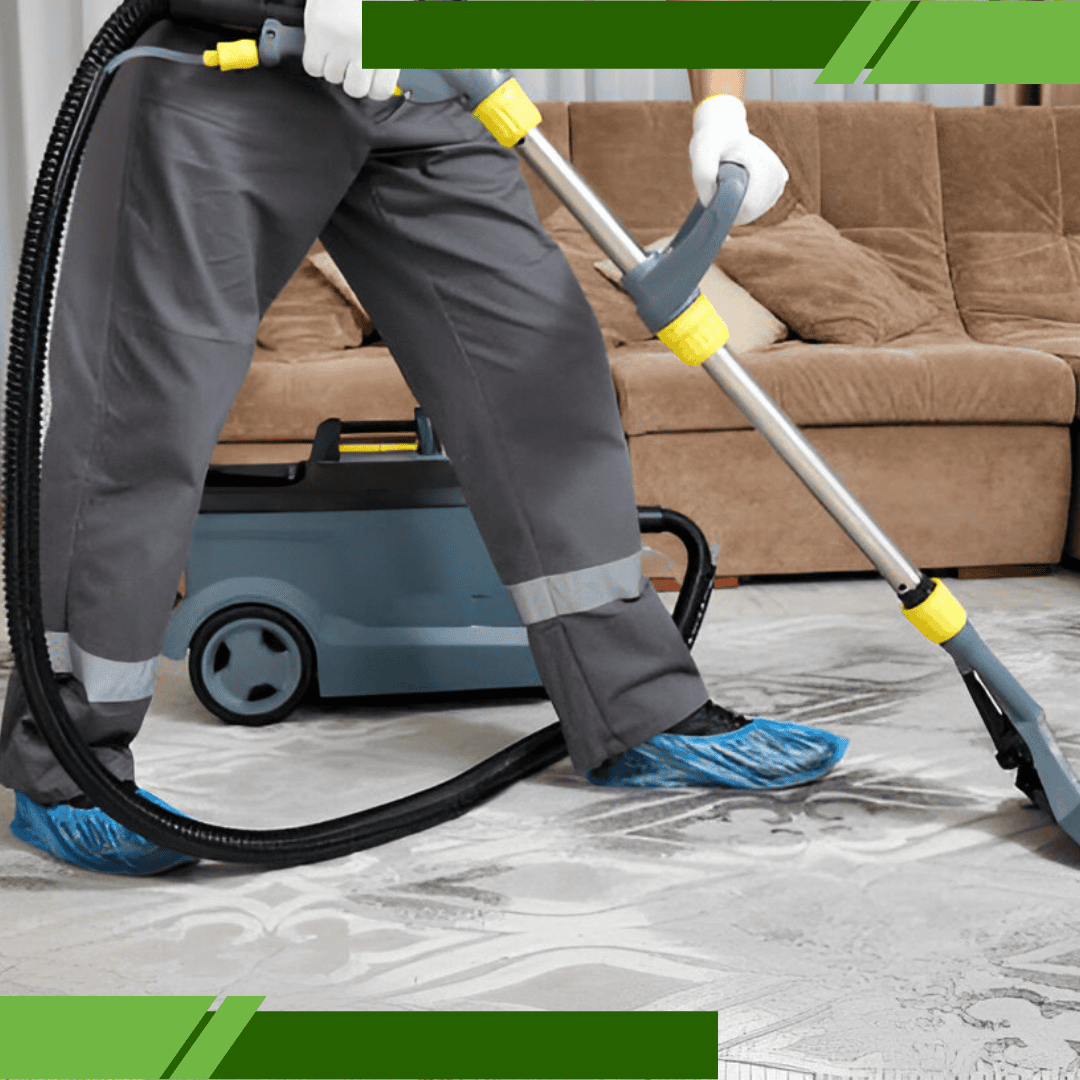
Ongoing maintenance is a core part of learning how to design sensory friendly spaces that last. Consistent cleaning routines reduce unpredictable sensory inputs and help maintain visual and tactile clarity in the environment. For individuals who are sensitive to smell or sound, cleaning products and equipment should be carefully chosen—unscented sprays, soft microfiber cloths, and quieter vacuum models can make a big difference.
Regular cleaning should focus on frequently touched surfaces, soft furnishings, and floors, especially since allergens or dust can trigger discomfort. This is also where carpet cleaning becomes important, as carpets can trap odors or textures that might disturb sensitive individuals. Use calming organizational systems like labeled bins and soft-close storage solutions to avoid disruptive noise. In West Covina, where seasonal allergies may affect indoor environments, air purification and cleanliness play an even larger role. These habits don’t just maintain cleanliness—they preserve the gentle, stable environment needed when you know how to design sensory-friendly spaces.

The materials and layout you use show how to design sensory friendly spaces that balance comfort and function. Think soft rugs, weighted blankets, low-sheen furniture, and smooth, natural surfaces. Avoid shiny, reflective materials or overly stimulating textures that may distract or upset neurodivergent users.
When laying out a room, create defined zones for different activities—resting, playing, working, or reading. This structure helps reduce confusion and gives users more control over their experience. Furniture with rounded corners, noise-dampening panels, and cozy nooks are ideal additions. In West Covina homes and learning environments, space may be limited, so using vertical storage can help keep areas clutter-free. Cleaning also plays into layout planning: make sure everything has a designated place and is easy to put away. These spatial decisions highlight how to design sensory-friendly spaces that feel functional yet soothing.
Consistency is crucial when applying how to design sensory friendly spaces effectively. Set a cleaning and organizing routine that happens at predictable times—this reliability fosters security and ease. Use visual charts or checklists for those who thrive on routines, making it easier for everyone to stay involved in keeping the space clean.
Simplify the supply list by sticking with familiar, low-scent, non-irritating products. Rotate soft elements like pillows, curtains, and blankets with the seasons to keep the environment fresh without disrupting its balance. In shared environments, especially schools or community centers, this consistency ensures that even with varied use, the space retains its sensory-safe atmosphere. This balance of order, cleanliness, and predictability reinforces why it’s so important to learn how to design sensory-friendly spaces for neurodiverse needs.
A space becomes sensory friendly when it minimizes noise, harsh lights, clutter, and strong smells. Understanding sensory-friendly spaces helps create calm and supportive environments.
Cleaning removes irritants and visual distractions. The right maintenance routine is part of designing sensory-friendly spaces that keep stimuli manageable.
Weighted blankets, soft lighting, sound-absorbing décor, and hypoallergenic cleaning supplies are all examples of how to design sensory-friendly spaces effectively.
Use fragrance-free cleaners and quiet vacuums, and schedule cleaning when the space is unoccupied. These methods are part of how to design sensory-friendly spaces without overstimulation.
Yes. Even compact rooms can show how to design sensory-friendly spaces by using soft textures, low-stim décor, and smart organization strategies.
Thank you. We’ve received your submission and will get back to you shortly.