
When people think about home design, they usually focus on style, comfort, and décor. But the true foundation of a healthy, lasting home goes much deeper; it’s built on hygienic home design materials and smart layout planning.
Following a few essential home design hygiene tips can help you maintain a cleaner, more sustainable living space. In places like Mount Wilson, where the climate and air quality can influence indoor living conditions, choosing hygienic materials becomes especially important for maintaining a clean, comfortable, and healthy environment.
The materials and layout you choose for your home directly affect cleanliness, air quality, and overall health. Hygienic materials resist bacteria, mold, and allergens, while thoughtful layouts promote airflow and make cleaning easier. To maintain indoor air quality and prevent allergens, schedule regular carpet cleaning as part of your home hygiene routine. Together, they create a space that looks beautiful and supports long-term well-being.In today’s world, maintaining a truly hygienic home goes far beyond routine cleaning. It’s about designing a living environment that naturally supports health, cleanliness, and comfort. From the materials you choose to the way your spaces are laid out, every decision influences how easily your home resists dirt, bacteria, and allergens.
Whether you’re renovating, building from scratch, or simply looking to improve your home’s hygiene, understanding the relationship between design and cleanliness is key. The right choices can reduce maintenance, improve air quality, and enhance your family’s overall well-being.
Below, we explore the essential principles of hygienic home design; from choosing the right materials and layout to avoiding common pitfalls and maintaining aesthetic appeal.
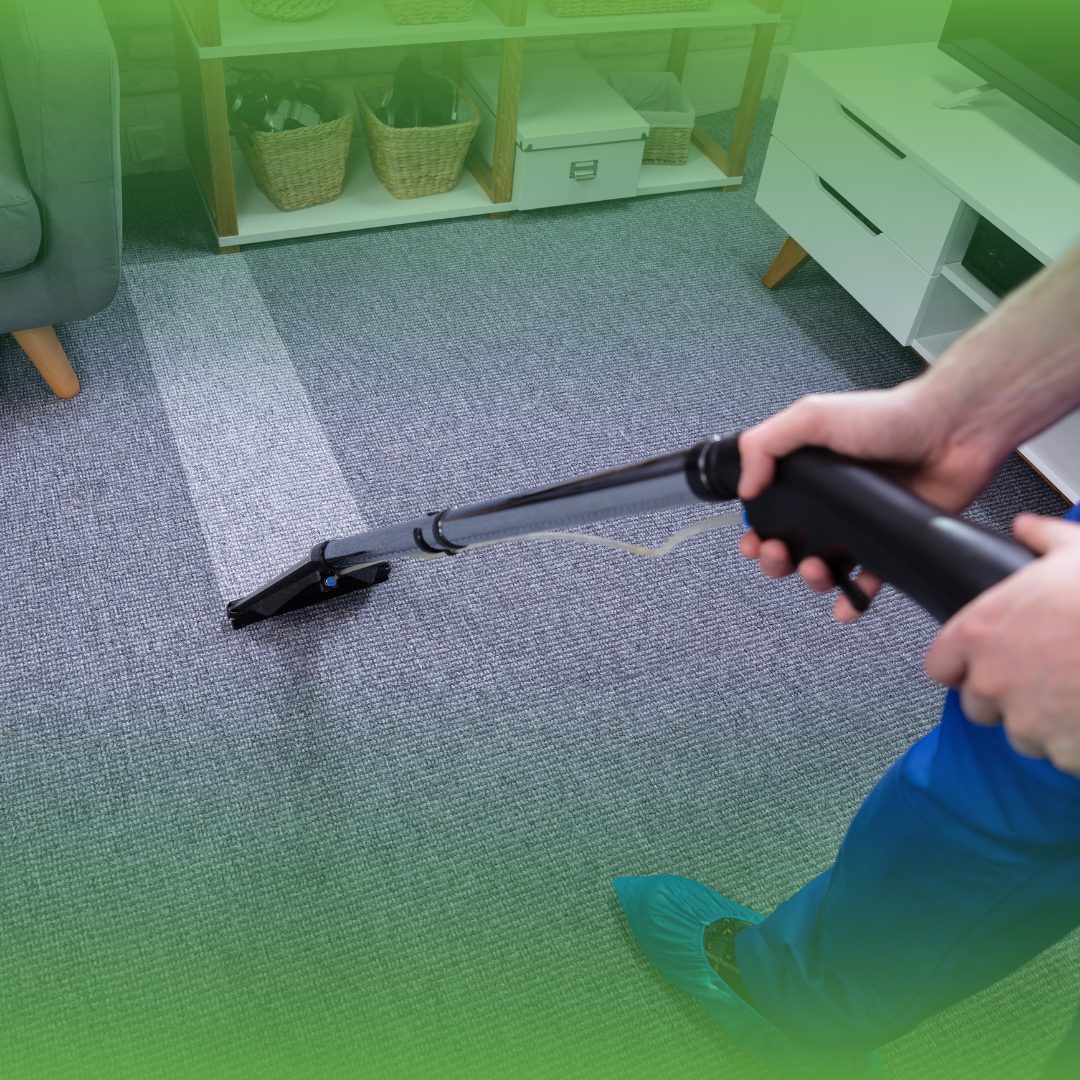
A hygienic home isn’t just one that’s cleaned regularly; it’s one designed to stay clean. The key is to use materials and layouts that naturally prevent the spread of contaminants. Whether it’s choosing non-porous surfaces or scheduling professional Carpet Cleaning Mount Wilson services to maintain indoor hygiene, every detail matters. Hygienic materials are moisture-resistant and easy to disinfect, while a functional layout improves ventilation, reduces hidden dust zones, and makes cleaning effortless.
Every surface in your home from the kitchen countertop to the bathroom wall; can become a breeding ground for bacteria if you choose the wrong material.
Here’s why it makes such a difference:
For instance, quartz or solid-surface countertops are far more hygienic than untreated wood because they don’t absorb moisture. Similarly, sealed tiles or engineered stone in bathrooms block mold growth and simplify cleaning.
Even the cleanest materials can’t perform well in a poorly planned layout. For those designing homes in Mount Wilson, paying attention to natural airflow and humidity control can make a big difference in maintaining long-term hygiene.
Keep high-contamination areas like kitchens and bathrooms separate from living zones.
Fewer corners and recesses mean fewer dust traps.
Concealed storage keeps clutter and allergens under control.
Sunlight naturally disinfects and highlights areas that need cleaning.
A thoughtful layout turns cleanliness into a built-in feature of your home rather than a daily chore.
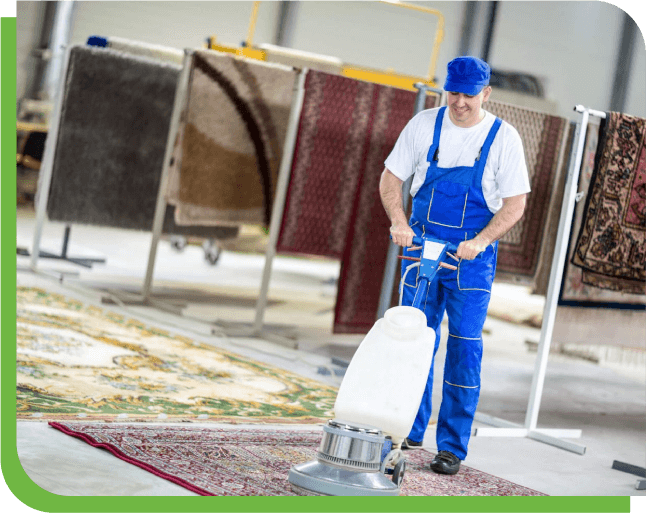
Even small design errors can create long-term hygiene problems. Avoid these common pitfalls:
Ignoring basic hygiene principles can lead to long-term cleanliness and maintenance issues. Each of these mistakes compromises your home’s hygiene and shortens the life of your interiors.
There’s a misconception that hygienic materials look plain or industrial. In reality, modern hygienic materials come in stylish, elegant finishes that fit any theme: minimalist, modern, or traditional.
Today, it’s entirely possible to have a home that’s both visually stunning and effortlessly clean. Homeowners in Mount Wilson are increasingly adopting these approaches to balance beauty with practicality.
When selecting healthy home materials, go beyond looks; think about how each choice affects long-term hygiene.
Small choices like these collectively shape a home that supports your health every day. For families in Mount Wilson, these decisions are especially valuable for maintaining wellness in changing weather conditions.
Designing with hygiene in mind isn’t about perfection; it’s about prevention. When you combine hygienic home design materials with a layout built for ventilation and cleanliness, you create a space that’s naturally healthier.
A home that’s hygienic by design enhances your quality of life in ways that décor alone never can.
Hygienic home design materials and thoughtful layouts aren’t luxuries; they’re the foundation of modern, healthy living. By integrating hygiene into design from the start, you’re building more than just a beautiful home; you’re creating a safer, easier-to-maintain environment that nurtures well-being every single day.
By applying these home design hygiene tips and choosing healthy home materials, you ensure your home remains both beautiful and health-conscious for years to come. A truly good home doesn’t just look clean it stays clean.
Thank you. We’ve received your submission and will get back to you shortly.