Get in touch
Fill this up to proceed
We are committed to providing a world-class carpet, rug, upholstery, drapery or mattress cleaning services that will open your door to a happier and healthier green indoor environment.
Mold doesn’t need much to thrive—just moisture, warmth, and time. Once mold spores settle under your flooring, they can spread quickly, feeding off organic materials and trapped humidity. These environments are often tucked out of sight, making early detection tricky. Learning how to do mold prevention and proper cleaning under flooring in homes in West Hollywood is crucial for protecting both your property and your health.
Mold doesn’t need much to thrive—just moisture, warmth, and time. Once mold spores settle under your flooring, they can spread quickly, feeding off organic materials and trapped humidity. These environments are often tucked out of sight in West Hollywood homes, making early detection tricky. That’s why understanding how to do mold prevention under flooring in homes is essential to protect both your property and indoor air quality.
Here are common triggers of mold beneath your floors:
Detecting mold early is key to stopping damage in its tracks. Watch for:
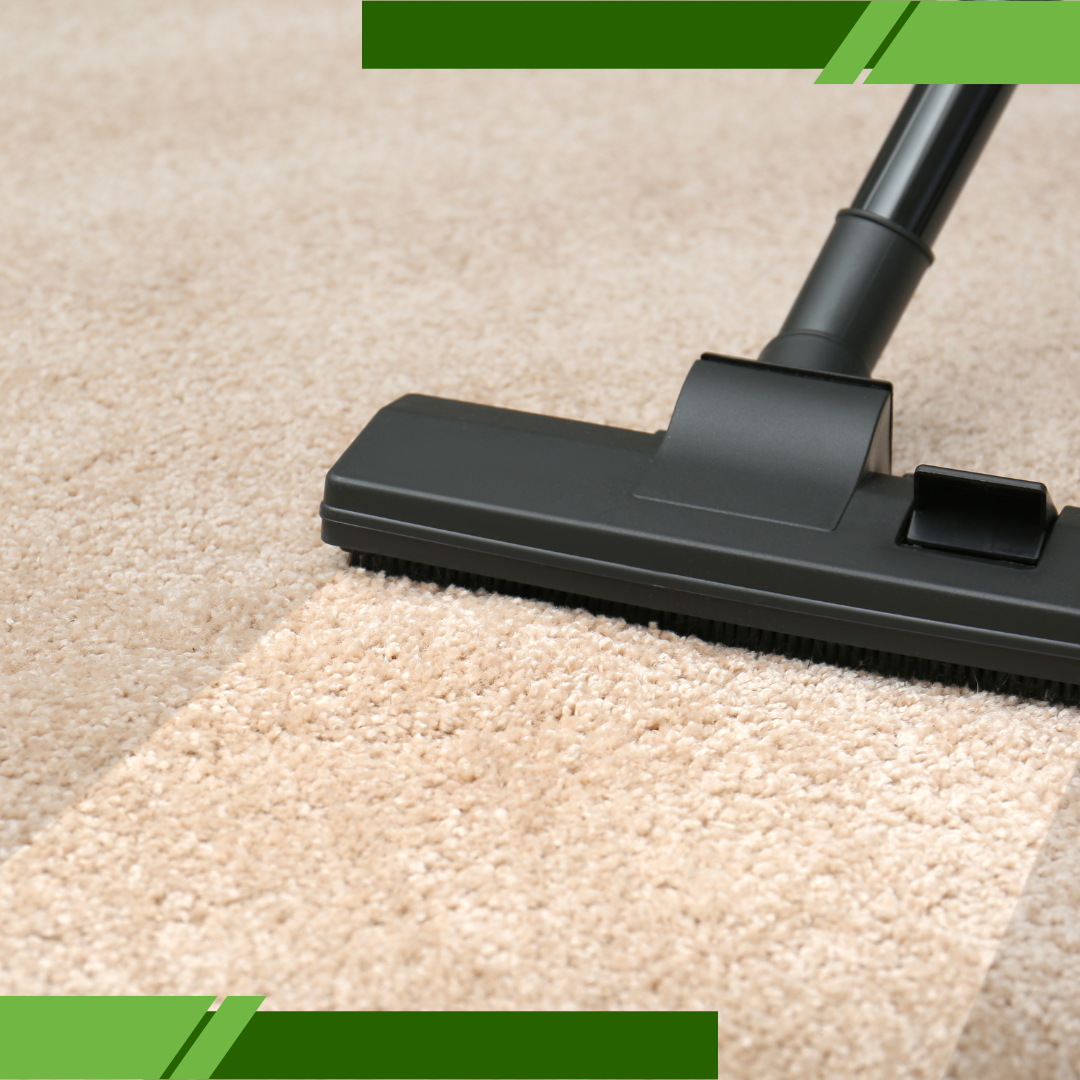
Detecting mold under your floors can be tricky, especially since it often hides beneath the surface. One of the most common indicators is a persistent musty or earthy odor that doesn’t go away, even after cleaning. You might also notice warped or buckling floorboards, soft or spongy spots, or dark stains at the seams—all potential signs of mold developing underneath. Health symptoms such as sneezing, coughing, or skin irritation when indoors can also signal hidden mold. If you’ve had recent water damage, leaks, or high humidity, it’s crucial to inspect your flooring for moisture. Early detection is a key part of effective mold prevention under flooring. Addressing these signs quickly helps protect your home’s structure and air quality while reinforcing your long-term strategy for how to do mold prevention under flooring in homes in West Hollywood.
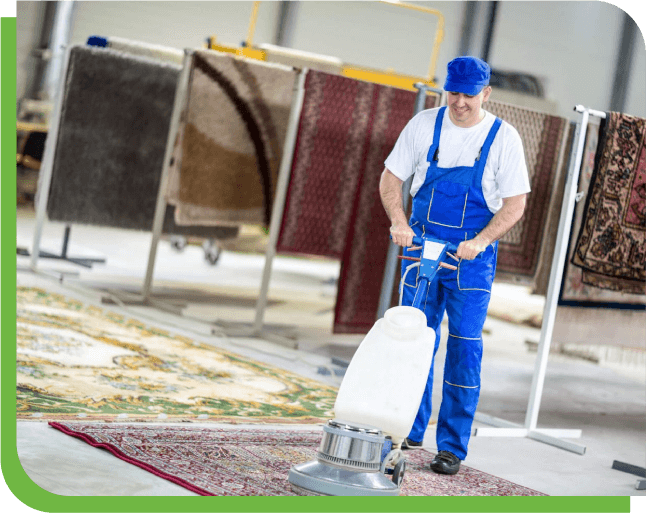
Mold prevention under flooring begins long before installation—and it continues well after. Understanding how to do mold prevention under flooring in homes in West Hollywood helps ensure your space stays healthy, safe, and long-lasting.
Stop moisture at its source using these practices:
Proper prep lays the groundwork for mold-free living:
Regular upkeep reinforces mold prevention under flooring. Understanding how to do mold prevention under flooring in homes helps maintain a healthier living environment and protects long-term property value.
Preventing mold under your floors can often start as a DIY project—especially when the issue is minor and caught early. Tasks like controlling humidity, using dehumidifiers, sealing minor leaks, and applying mold-resistant underlayment are simple yet effective. Routine services like Carpet Cleaning West Hollywood also help remove hidden moisture and allergens, contributing to long-term mold prevention under flooring.
However, if you notice persistent musty odors, visible damage, or experience health symptoms, it’s best to consult a professional. Mold can spread beneath floorboards or carpets undetected, requiring specialized tools and treatments. Professionals ensure complete remediation and proper sealing to avoid future problems. For homes with previous water damage or recurring moisture issues, expert evaluation is essential for effective mold prevention under flooring that lasts. Knowing how to do mold prevention under flooring in homes in West Hollywood adds an extra layer of protection for both your property and your health.
Yes. If moisture becomes trapped beneath, mold can form. That’s why using a vapor barrier and proper subfloor prep is critical for mold prevention under flooring.
Prolonged exposure may lead to health risks, especially for people with respiratory issues. Professional inspection is recommended if mold is suspected.
Every few months or after water-related incidents (leaks, floods). Prevention is easier and cheaper than remediation.
A: Absolutely. They regulate moisture levels and are a powerful tool in mold prevention under flooring, especially in basements or humid climates. Learning how to do mold prevention under flooring in homes ensures even greater protection and long-term peace of mind.
Not entirely. Even waterproof surfaces need proper installation and maintenance to prevent moisture buildup underneath.
We are committed to providing a world-class carpet, rug, upholstery, drapery or mattress cleaning services that will open your door to a happier and healthier green indoor environment.
We are committed to providing a world-class carpet, rug, upholstery, drapery or mattress cleaning services that will open your door to a happier and healthier green indoor environment.
