Get in touch
Fill this up to proceed

We are committed to providing a world-class carpet, rug, upholstery, drapery or mattress cleaning services that will open your door to a happier and healthier green indoor environment.
Malibu is a place where ocean breezes meet stylish homes. But even in paradise, energy bills can rise when small household systems are ignored. One of the most overlooked issues? A dirty dryer vent system. Homeowners often think of clogged filters or leaky windows when their utility costs go up, but what if the real culprit is hiding behind your dryer?
Imagine this: You toss in a load of laundry, press “start,” and expect your clothes to be warm and fluffy in 45 minutes. Instead, the dryer runs longer, works harder, and still leaves your clothes damp. What’s happening behind the scenes is costing you more than just time; it’s slowly driving up your electricity bill every month.
When a dryer vent system is clogged, your machine can’t breathe. It struggles, runs multiple cycles, and eats up more power than necessary. It’s not just an inconvenience, it’s a real, money-wasting problem. And in homes across Malibu, especially older properties or those near the coast, lint and debris can build up faster than you’d think.
We’ll walk you through exactly how this happens, how to spot it, and what you can do about it. Keep reading, you might just find the secret to saving hundreds on your energy bills.
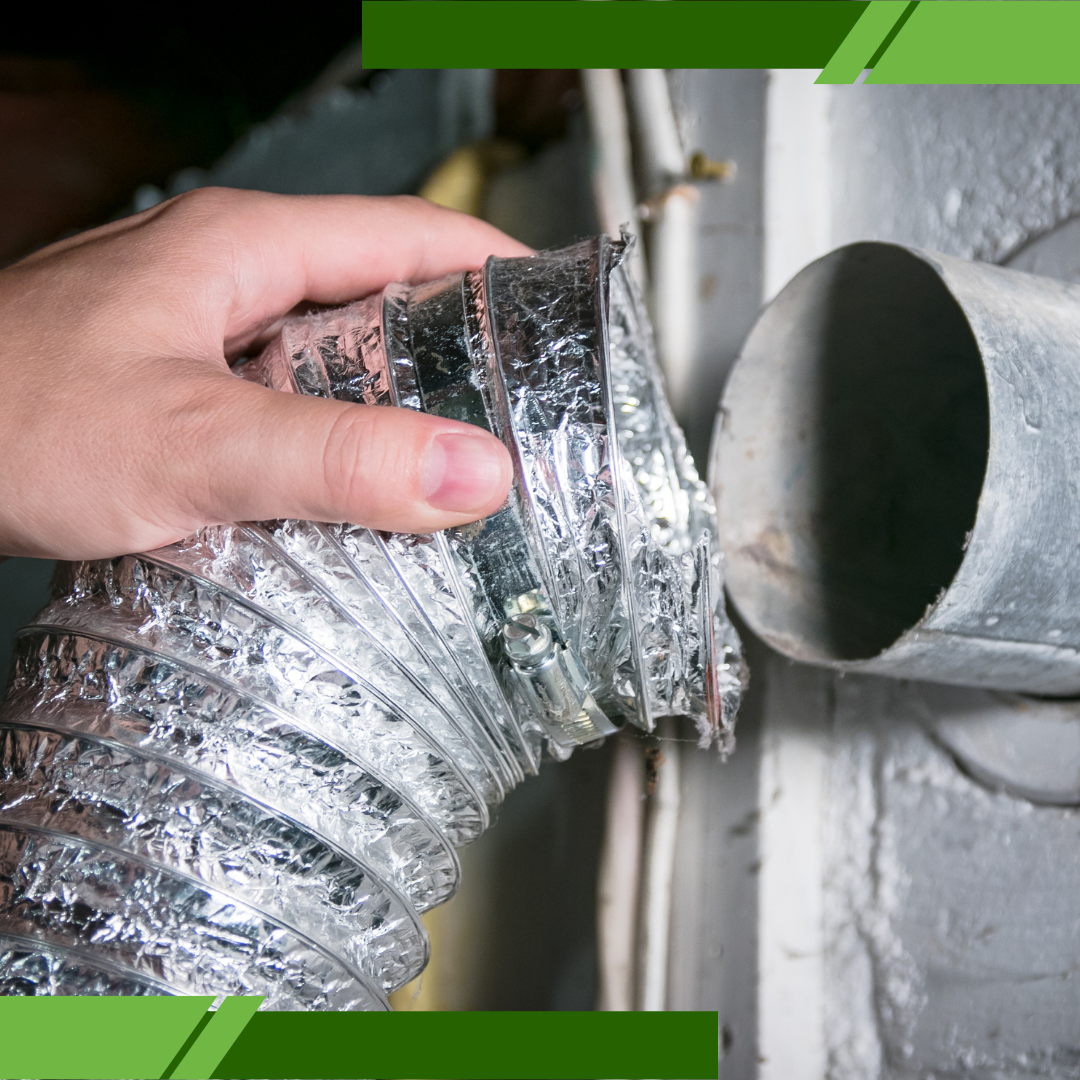
You don’t always notice it, but your dryer is one of the most power-hungry appliances in your home. And when it’s forced to work harder because of a clogged dryer vent system, your energy bills can spike fast. Let’s break down how this happens in real-life terms.
When a dryer vent system is clean, hot air and moisture from the dryer escape easily outside. But when that vent gets clogged with lint, dust, and even nesting debris (yes, birds and rodents love those vents!), the machine can’t release heat properly. That means your dryer has to run longer, sometimes twice as long, for the same result. Multiply that by several loads per week, and suddenly your energy bill is creeping up month by month.
It’s easy to overlook the condition of your dryer vent system, but ignoring it can quietly increase your energy bills month after month. When lint builds up inside the vent, it restricts airflow, forcing your dryer to run longer to do the same job. More cycles mean more electricity and higher utility costs.
A struggling dryer vent system doesn’t just spike your power bill. It also overworks your appliance. The dryer has to push air through clogged passages, often leading to overheating. This stress can damage internal components like the thermostat or motor, reducing the machine’s efficiency and lifespan.

Think your dryer vent system might be clogged? Many Malibu homeowners don’t catch the warning signs until their electricity bills creep up or the dryer stops performing like it used to. But a struggling dryer often gives off subtle clues, if you know what to look for. From longer drying times to strange smells, these signals can show up weeks before a serious issue develops.
Common signs of a blocked dryer vent system include clothes needing multiple cycles to dry, a dryer that feels unusually hot to the touch, or a faint burning smell when it runs. You might also notice extra humidity in the laundry room or excess lint around the lint trap and vent area. In some cases, clothes come out damp yet overly hot, clear signs that heat and moisture are getting trapped due to poor airflow.
To avoid long-term damage or rising costs, try this quick visual checklist: Is the lint trap cleaned after every load? Is the outside vent free of dust or debris? Is the dryer running longer or hotter than normal? Can you feel strong airflow from the exterior vent? If you answered “no” to any of these, your dryer vent system may need cleaning. Many local homeowners mistake these issues for aging appliances when it’s actually the vent system begging for attention.
Dryer vent system problems can happen anywhere, but Malibu’s environment makes them more frequent and potentially more dangerous. If you live near the ocean or tucked into the canyons, you’re likely exposed to higher levels of dust, salt air, and even small animals, all of which can impact how well your dryer vent system functions. Over time, these conditions lead to faster lint buildup and hidden blockages that push your appliance to work harder than it should.
Malibu’s coastal breeze carries salt particles that cling to moist lint, accelerating clog formation. If your home has an older or unusually long vent line, common in vintage or hillside properties, it may have multiple bends where lint easily collects. Other issues include nesting birds or rodents at vent exits, trees dropping debris near outdoor vents, and overlooked filter maintenance. All of these increase your risk for poor performance and even fire hazards if left unchecked.
Unlike kitchens or bathrooms, dryer vent systems often go years without attention. But don’t let this invisible issue go unnoticed. Regular cleanings not only extend your dryer’s life and reduce energy costs but also safeguard your home from serious risks. That’s why so many locals trust the experts at Dryer Vent Cleaning Malibu, a local crew that understands Malibu’s specific challenges and knows exactly how to keep your dryer vent system clear and safe.
Yes. Blocked vents make your dryer run longer, using more energy and raising your bill.
Once a year is ideal, or every 6–9 months if you do lots of laundry, have pets, or live near the coast.
You can clean the lint trap, but full vent cleaning is safer and more effective with a pro.
It can overheat your dryer, increase fire risk, raise bills, and lead to costly repairs.
We are committed to providing a world-class carpet, rug, upholstery, drapery or mattress cleaning services that will open your door to a happier and healthier green indoor environment.
We are committed to providing a world-class carpet, rug, upholstery, drapery or mattress cleaning services that will open your door to a happier and healthier green indoor environment.
