Get in touch
Fill this up to proceed

We are committed to providing a world-class carpet, rug, upholstery, drapery or mattress cleaning services that will open your door to a happier and healthier green indoor environment.
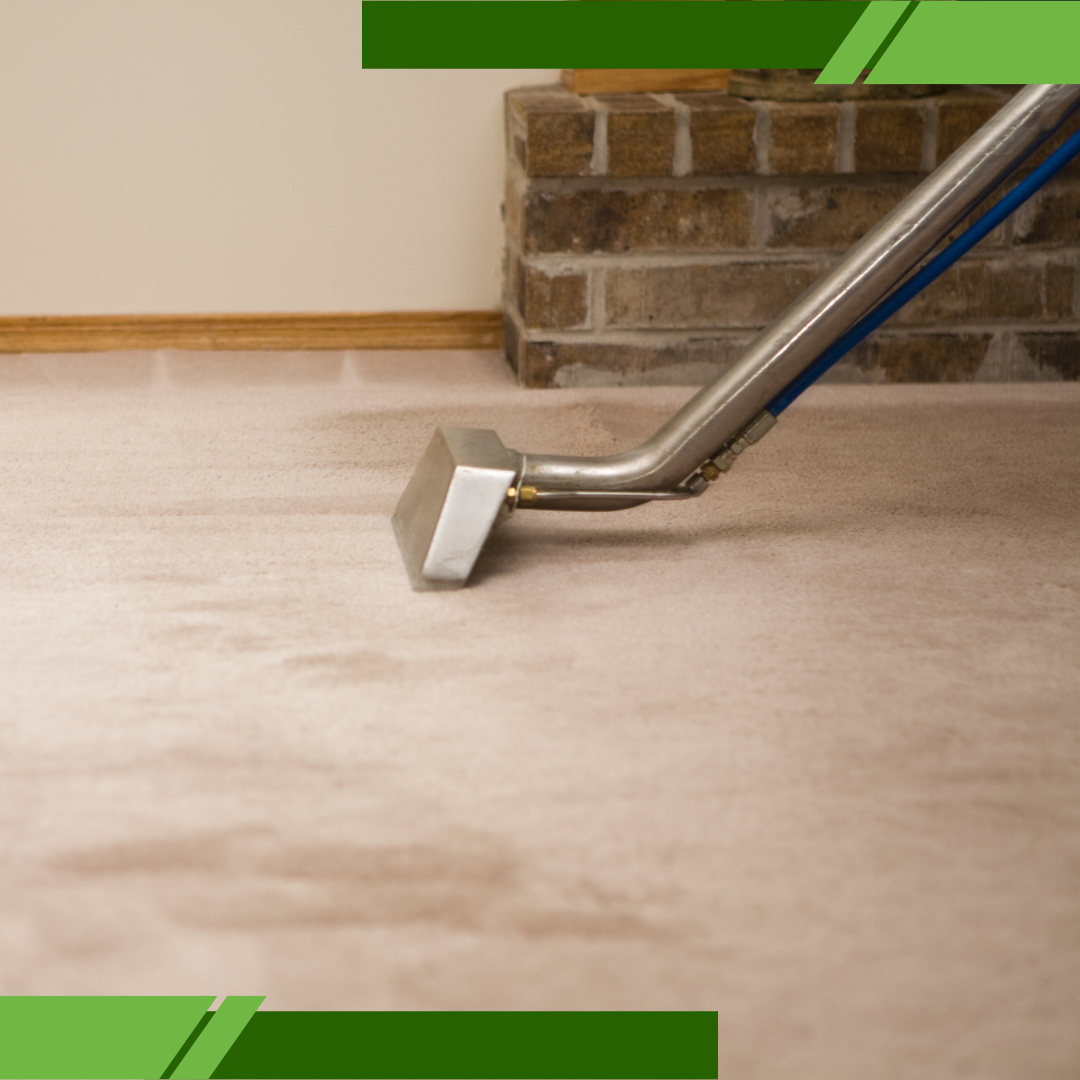
Many homeowners take pride in keeping their living spaces cozy and welcoming. Soft floors like carpet, rugs, and cushioned padding often add comfort under our feet. What many people don’t realize is that these same floors can hide an invisible risk when moisture sneaks in. The dangers of moisture in soft floors for health go far beyond just an unpleasant odor or stains. When overlooked, trapped moisture can create serious problems for both your home and your well-being.
Moisture issues often start small—a spilled drink, a pet accident, or humidity in the air. Over time, though, these small problems turn into bigger ones that quietly affect the people living in the home. One of the most important lessons for homeowners is learning when to take action. Even in beautiful areas like Hermosa Beach, where many homes enjoy cool breezes, moisture can become a silent enemy indoors. Acting early not only keeps your home safer but also protects the health of everyone inside. Reliable services like professional carpet care make a big difference in staying ahead of these issues.One of the first risks tied to moisture is mold. When water or humidity lingers in carpet fibers, padding, or even wood beneath the floor, mold begins to grow. This is not just a cosmetic problem—it’s a living organism that releases spores into the air. These spores can cause sneezing, coughing, and itchy eyes, especially for kids and older family members. In fact, the dangers of moisture in soft floors for health are often underestimated, as hidden dampness creates long-term exposure risks that go beyond surface-level concerns.
Mold thrives in dark, damp places, which makes the underside of soft flooring a perfect environment. Many families don’t notice mold until a musty smell fills the room. By then, the growth is often spread across a larger area. The earlier it’s discovered, the easier it is to treat.
The truth is, mold doesn’t always stay put. Once spores are in the air, they move from one room to another, lowering indoor air quality across the home. That’s why professional cleaning methods are often recommended to remove not only surface issues but also deep-seated moisture.
Moisture doesn’t only feed mold—it also helps dust mites multiply. These tiny pests are invisible to the naked eye, yet they are one of the top triggers for allergies and asthma. Dust mites love warm, humid environments, and damp carpets give them exactly what they need. The dangers of moisture in soft floors for health become especially clear here, since hidden dampness not only fuels mold growth but also supports allergens that can linger in the air.
Every time someone walks across a carpet with dust mites, particles are kicked into the air. Breathing in these particles can make asthma symptoms worse and even lead to frequent colds. Families who notice they feel better outdoors than indoors may unknowingly be reacting to their flooring.
A good way to reduce dust mites is keeping floors as dry as possible and vacuuming with HEPA filters. However, when the base of the carpet is moist, vacuuming alone won’t solve the issue. Deep cleaning and moisture removal are necessary to bring levels down. Many homeowners book Carpet Cleaning Hermosa Beach services when allergies spike in their household.
While mold and mites are more commonly discussed, bacteria are an equally dangerous result of damp floors. Moisture turns soft flooring into a breeding ground for harmful germs. This highlights another layer of the dangers of moisture in soft floors for health, since unseen bacteria can linger long after the surface looks clean.
Bacteria linked to damp flooring can lead to stomach problems, skin irritations, or even infections. The worst part is that these bacteria often stay hidden, spreading quietly without showing obvious signs. Pets can also spread bacteria from damp floors to other areas of the home by tracking it around.
By paying attention to these warning signs, families can reduce risks before they become full-blown health concerns. In coastal cities like Hermosa Beach, where salty air and damp breezes are common, the need for proper floor care is even stronger.
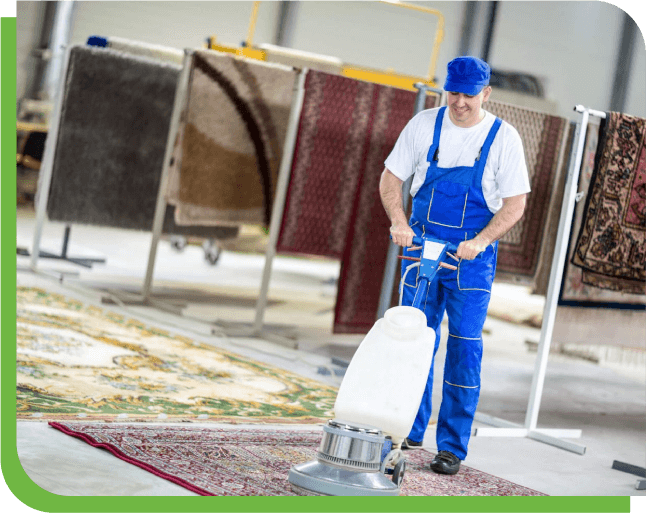
When flooring holds on to moisture, the overall air inside the home is affected. This is more than just a stuffy feeling—it can create a constant cycle of breathing issues. The dangers of moisture in soft floors for health extend to indoor air quality, often leading to headaches, fatigue, and worsening of long-term conditions.
Imagine sitting in your living room, enjoying a quiet evening, yet feeling congested or tired without a clear reason. Soft floors soaked with hidden moisture could be the unseen cause. Over time, breathing in polluted indoor air wears down the immune system and lowers overall comfort at home.
For families who want their homes to be a true safe space, protecting air quality means addressing even small amounts of moisture before they spread.
Besides the obvious health risks, moisture causes long-term harm to the floors themselves. Dampness weakens carpet fibers, causes padding to break down, and even damages the subfloor below. While many homeowners focus on visible wear and tear, the dangers of moisture in soft floors for health often appear first, followed by structural damage that is costly and disruptive.
This structural damage may not always show up immediately, but over months or years, it shortens the lifespan of flooring. Replacing an entire carpet or repairing warped wood costs far more than preventive cleaning and moisture control.
This makes it clear—investing in prevention is both healthier and more affordable than waiting until problems get worse.
Creating a healthier home doesn’t always require big changes—it starts with small habits. By keeping track of spills, checking humidity levels, and scheduling regular cleanings, families can avoid hidden moisture problems. Simple routines like these not only protect flooring but also reduce the dangers of moisture in soft floors for health, keeping indoor spaces safer and more comfortable.
Many families already enjoy a lifestyle that blends comfort with ocean breezes. Adding these habits to daily routines can make sure homes stay just as healthy as they are beautiful.
Moisture in soft flooring may seem harmless at first glance, but its effects run deep. From mold and dust mites to bacteria and poor air quality, the dangers of moisture in soft floors for health should never be underestimated. What starts as a small inconvenience can grow into long-term risks for families, especially in homes with children, pets, or people with allergies.
Taking action early is the best solution. With professional help and simple daily habits, it’s possible to prevent damage, protect loved ones, and keep a home safe. A home should always be a place of comfort, and that comfort begins with the ground beneath your feet.
You may notice a musty odor, damp spots, or increased allergy symptoms at home. Checking under rugs and padding can also reveal hidden moisture or mold growth.
Moisture allows mold, dust mites, and bacteria to grow, which can trigger allergies, asthma, or infections. Over time, this lowers indoor air quality and puts everyone’s health at risk.
Dry the area as quickly as possible using fans or a dehumidifier to prevent mold growth. If the moisture has already soaked deep, professional cleaning may be needed.
Yes, simple habits like drying spills quickly, running dehumidifiers, and scheduling regular cleanings go a long way. Staying consistent helps avoid costly damage and health risks.
Yes, coastal air and humidity can make homes in Hermosa Beach more vulnerable to damp flooring. This is why ongoing care and professional cleaning are especially important.
We are committed to providing a world-class carpet, rug, upholstery, drapery or mattress cleaning services that will open your door to a happier and healthier green indoor environment.
We are committed to providing a world-class carpet, rug, upholstery, drapery or mattress cleaning services that will open your door to a happier and healthier green indoor environment.
