
Cleaning isn’t just about making a room look neat—it’s about creating healthier, safer, and more comfortable environments for living and working. When people ask about the different stages of cleaning process explained, they’re really looking for a structured approach that eliminates dirt, germs, and risks effectively. From homes in Calabasas to hospitals in larger cities, every space benefits when cleaning is systematic, consistent, and thorough.
Following a clear cleaning process is the difference between wiping away dust and actually safeguarding health. The different stages of cleaning process explained show that each step plays a role in eliminating germs, allergens, and contaminants. Ignoring any stage can leave hidden risks behind.
For families in Calabasas, these benefits are especially valuable, as clean living spaces contribute to healthier lifestyles and higher property value.
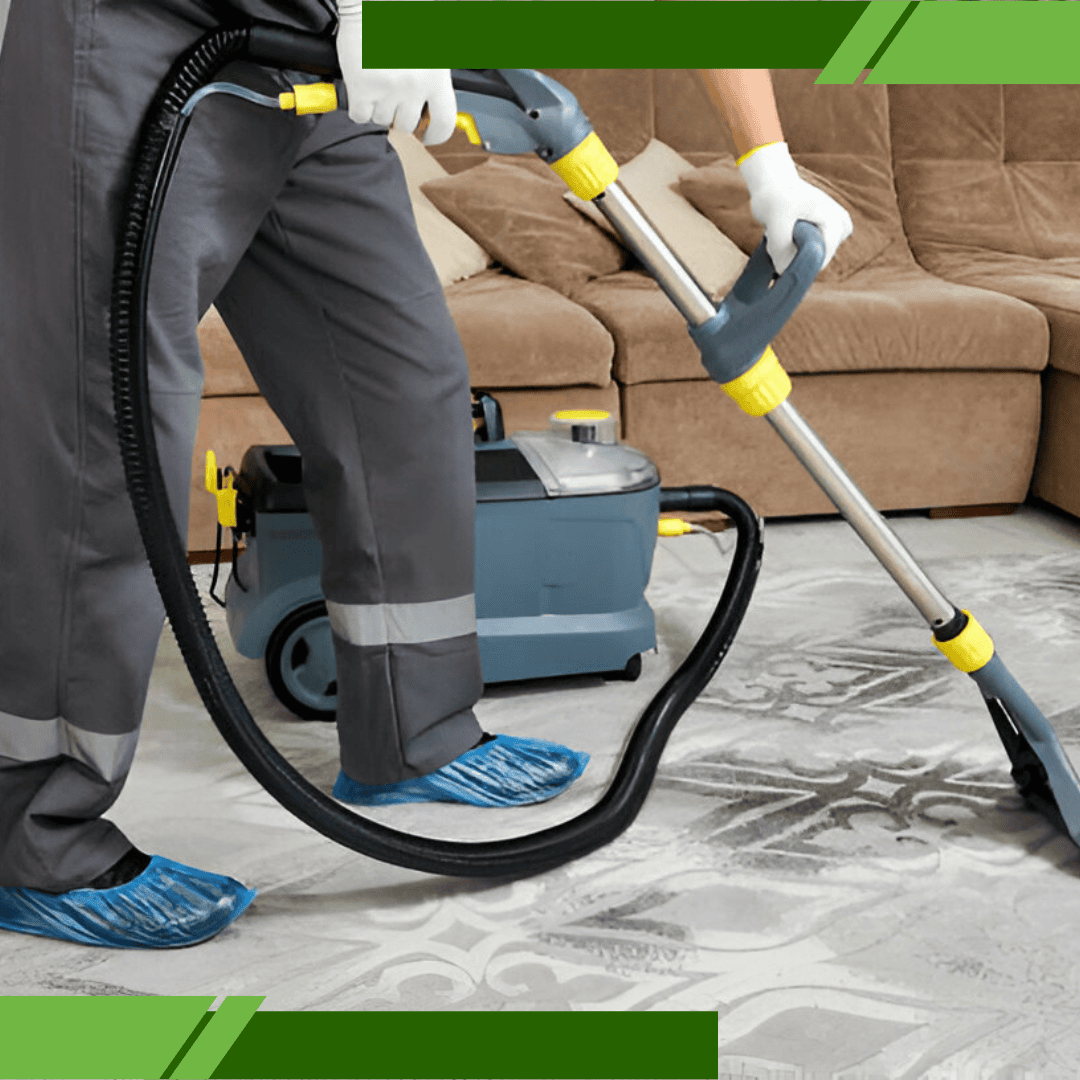
Understanding the different stages of cleaning process explained is essential for maintaining a healthy home and workplace. Each stage, from pre-cleaning to final drying, plays a role in removing dirt, bacteria, and allergens that can cause respiratory issues or trigger allergies. By following the process correctly, you minimize the spread of germs on high-touch surfaces like countertops, doorknobs, and bathroom fixtures. In communities such as Calabasas, where families value both comfort and property care, applying these stages ensures a cleaner environment and better indoor air quality. Clean homes not only look inviting but also support long-term wellness, proving that structured cleaning routines are a direct investment in overall health.
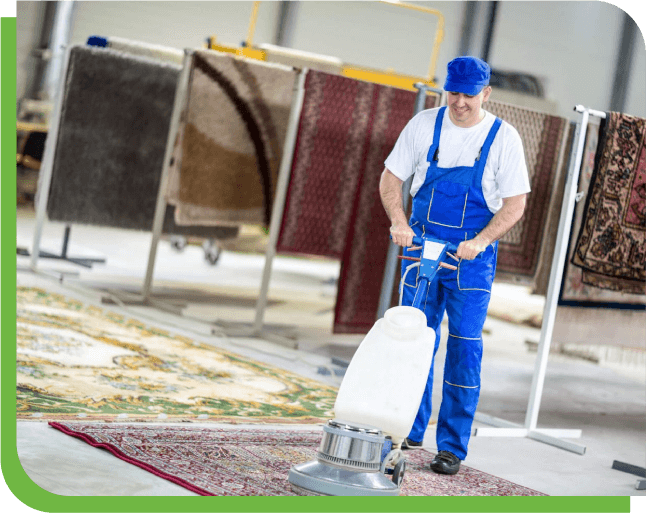
When breaking down the different stages of cleaning process explained, six main steps stand out. Each one supports the next, leading to a safe and hygienic result.
This involves removing crumbs, spills, and visible debris. Sweeping or rinsing clears the way for deeper cleaning to be effective.
Detergents and hot water are used to loosen grease, dirt, or residue. This stage attacks what a simple wipe cannot remove.
Fresh water rinses away loosened dirt and leftover detergent, preparing the surface for disinfection.
Disinfectants or heat treatments destroy harmful microorganisms. Contact time matters—surfaces need to stay wet with the product for full effectiveness.
Some disinfectants leave residues. A clean water rinse ensures surfaces are safe and residue-free.
Air drying is the best option. If clothes are used, they must be disposable to prevent bacteria from spreading.
These steps form the foundation of the different stages of cleaning process explained, proving that complete cleaning goes far beyond appearance. In places like Calabasas, where homeowners prioritize health and home value, following these stages is a smart investment.
For businesses, maintaining cleanliness goes beyond appearances—it directly impacts health, productivity, and customer trust. By using the different stages of cleaning process explained, companies can ensure that every surface is not only visibly clean but also free of germs and allergens. Structured cleaning reduces the spread of illness, lowers absenteeism, and helps meet strict health and safety regulations, which is especially important in industries like food service, retail, and healthcare. A clean environment also creates a more professional atmosphere that reassures clients and motivates employees.
Professional services like Carpet Cleaning Calabasas play a big role in this effort. High-traffic areas often collect dirt, dust, and allergens that regular vacuuming cannot remove. Regular deep cleaning protects flooring, improves indoor air quality, and enhances the overall workplace experience, reinforcing the value of consistent cleaning standards.
A: Because each stage has a specific role in ensuring surfaces are not just visually clean but hygienically safe.
A: Not always. Some disinfectants are designed to remain on surfaces, but check product labels for instructions.
A: Yes. Air drying avoids bacterial transfer that reusable towels may cause.
A: Absolutely. For example, skipping rinsing can leave residues, while skipping disinfection allows germs to survive.
A: They’re useful everywhere—from cleaning a kitchen counter to deep cleaning bathrooms, ensuring no harmful buildup is left behind. Many residents in Calabasas apply these steps to maintain spotless and safe homes.
Thank you. We’ve received your submission and will get back to you shortly.