Get in touch
Fill this up to proceed
We are committed to providing a world-class carpet, rug, upholstery, drapery or mattress cleaning services that will open your door to a happier and healthier green indoor environment.
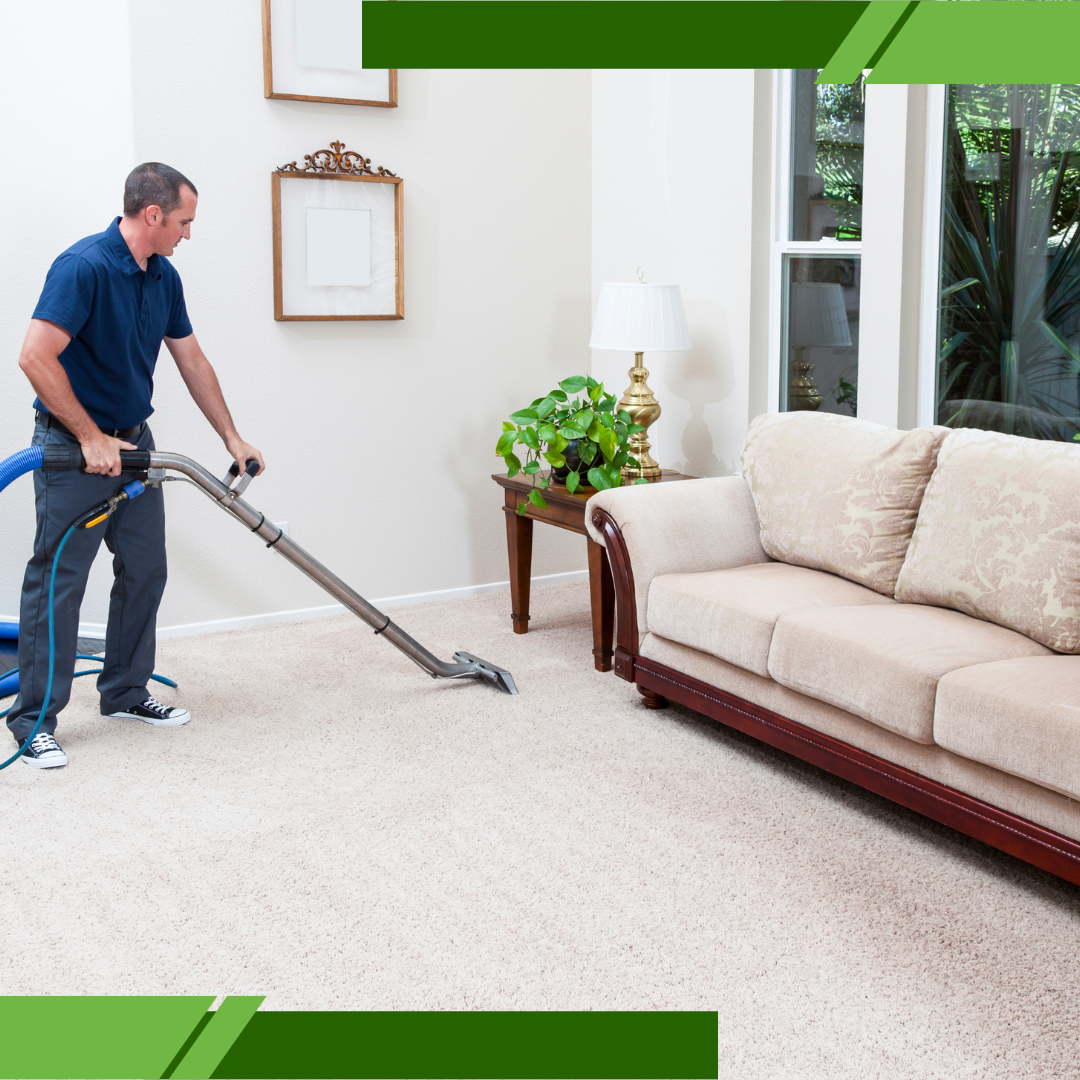
Just because you can’t see it doesn’t mean it’s clean. Dust, pet hair, and crumbs tend to gather under furniture, behind appliances, and along baseboards. These areas often go unnoticed, but Carpet Cleaning West Hollywood can help tackle these overlooked zones. Move furniture occasionally to vacuum or mop these unseen spots. You’ll be surprised at how much dirt hides underneath. Even simple deep cleaning tips for homeowners, like using a flexible vacuum attachment or a microfiber mop, can make a huge difference. Keeping these spaces clean not only improves air quality but also helps prevent pest infestations and mold growth.
These stay damp and collect bacteria like E. coli and Salmonella from food residue.
Especially those used for raw meat, they can harbor harmful bacteria even after rinsing.
Constantly touched and exposed to food particles, soap scum, and water splashes.
Frequently handled by everyone but rarely disinfected.
Gather germs from constant use, especially if hands aren’t washed often.
Moisture from bathrooms encourages bacterial and mold growth.
Warm, damp areas where mildew and mold thrive.
Food spills and drips make them ideal spots for bacterial buildup.
It can carry bacteria, yeast, and mold from leftover food or saliva.
Collect bacteria from dirty clothes, towels, and even damp laundry.
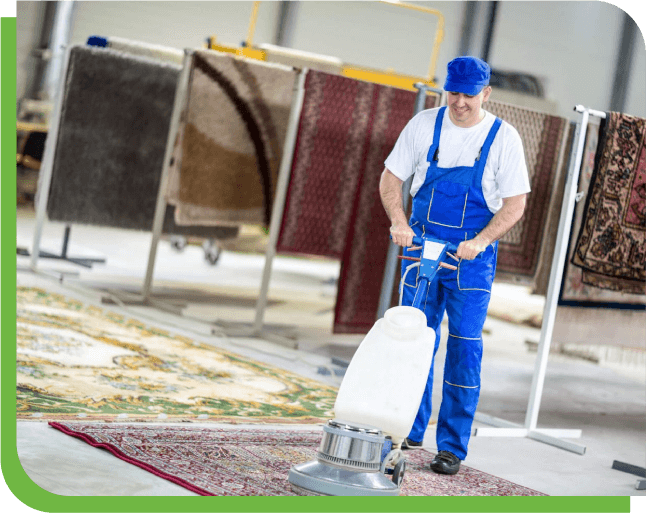
Carpets, rugs, curtains, and upholstery may look clean, but they can harbor thousands of dust mites and bacteria. Over time, these surfaces absorb dirt, allergens, and even pet dander that regular vacuuming can’t remove. That’s why professional carpet cleaning in West Hollywood is an essential step in maintaining a hygienic home. Steam cleaning penetrates deep into the fibers, removing built-up germs and odors. Not only does it refresh your home, but it also helps family members with allergies breathe easier. Scheduling a professional carpet cleaning at least twice a year is one of the best deep cleaning tips for homeowners who want to maintain a healthy living environment.
The kitchen is full of hidden germ spots in your home that you might overlook. Cutting boards, sponges, and sink drains are some of the dirtiest items in your household. Replace sponges weekly or microwave them briefly to kill bacteria. Always wash cutting boards thoroughly, especially after handling raw meat, and disinfect kitchen counters regularly to keep these hidden germ spots in check.
Even in West Hollywood, germs can hide in unexpected places. By regularly cleaning high-touch surfaces, moving furniture to reach corners, and keeping carpets and kitchen tools sanitized, you can tackle the hidden germ spots in your home and keep your space healthier for everyone.
Disinfect light switches, doorknobs, and remotes two to three times a week. Increase cleaning during flu season or after gatherings.
Sponges, cutting boards, sink drains, and fridge handles collect the most bacteria. Replace or sanitize them regularly.
Vacuum weekly and schedule professional steam cleaning twice a year to remove deep dirt and allergens.
Yes. Wipe phones, keyboards, and remotes daily with alcohol-based wipes to stop bacteria buildup.
Clean high-touch spots often, wash sponges and fabrics, vacuum regularly, and sanitize devices daily for a healthier home.
We are committed to providing a world-class carpet, rug, upholstery, drapery or mattress cleaning services that will open your door to a happier and healthier green indoor environment.
We are committed to providing a world-class carpet, rug, upholstery, drapery or mattress cleaning services that will open your door to a happier and healthier green indoor environment.
