
Save It or Scrap It? A Practical Guide to Damaged Carpet Preservation
Carpets can endure a lot—stains, burns, water damage, and you need damaged carpet preservation now. With the right knowledge and timely intervention, damaged carpet preservation is very possible. Whether it’s a pet accident, a bleach stain, or flood damage, there are several proven techniques that can restore the look and feel of your carpet. Especially for homeowners in style-conscious neighborhoods like Westwood, preserving your carpet isn’t just practical—it protects your investment.
When Is A Carpet Still Salvageable?
The first step in damaged carpet preservation is to identify the type and extent of damage. Not all carpet issues require replacement. Some damage can be repaired with spot treatments, patching, or re-stretching—especially if you act fast.
Repairable Types of Damage:
- Burn marks – Small burns can often be trimmed or patched
- Stains – Many stains can be lifted or bleached out professionally
- Pulled threads or snags – Can be carefully tucked or re-woven
- Water damage – If addressed early, mold growth can be prevented
- Wrinkles or ripples – Usually a sign the carpet needs re-stretching
For Westwood homeowners, where aesthetic appeal is important, knowing what damage can be fixed helps you avoid unnecessary replacement costs. The sooner you assess the problem, the more options you’ll have for preserving your carpet.
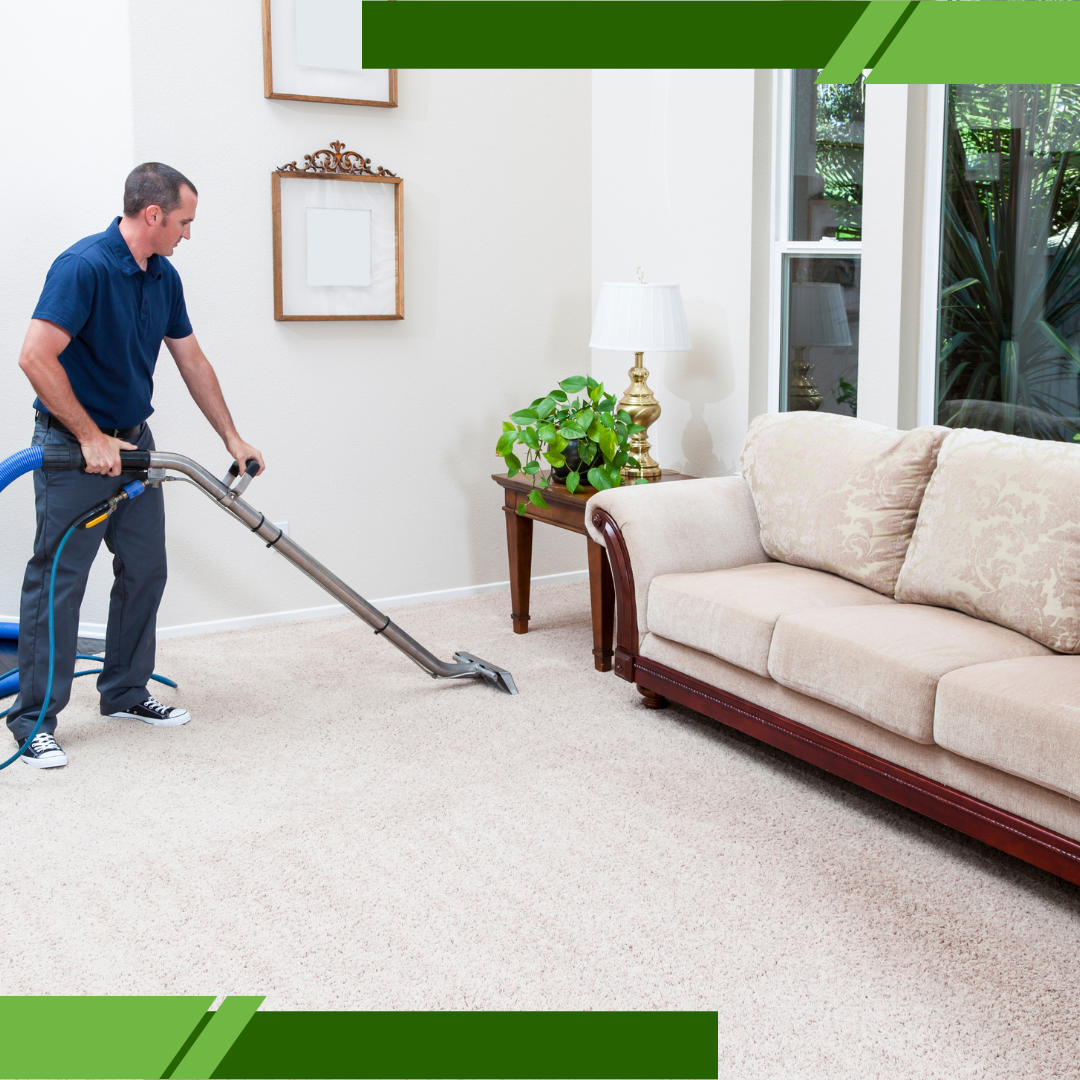
DIY Carpet Fixes
While severe damage requires a professional touch, many carpet issues can be minimized or repaired with damaged carpet preservation methods. These can serve as short-term solutions or permanent fixes, depending on the situation and the extent of the damage.
- Iron & towel method – Helps lift furniture dents
- Hydrogen peroxide – Works on tough organic stains (test first)
- Seam glue or hot glue gun – Useful for snags and unraveling seams
- Carpet patching kits – Great for small burns or stains
- Baking soda and vinegar – Effective for odor removal and stain lifting
If you’re in Westwood, where presentation matters, these damaged carpet preservation tricks can help you maintain a spotless home between professional services. Just be sure to test any chemical method in an inconspicuous area to prevent further damage.
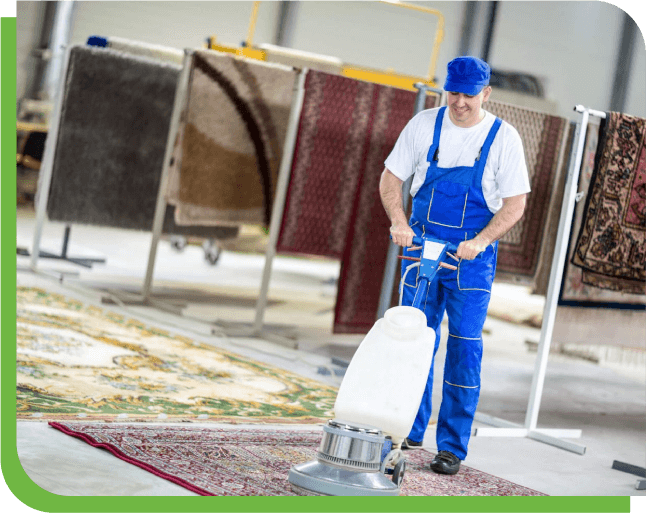
When to Call a Professional
There’s a limit to what you can fix on your own. For larger, deeper, or more delicate issues, calling a professional is the safest way to ensure successful damaged carpet preservation. Carpet Cleaning Westwood can handle structural repairs, fiber replacement, and odor treatment without causing further wear.
Professional Services:
- Carpet re-stretching – Eliminates ripples and restores fit
- Section replacement – Matches and replaces heavily damaged areas
- Deep stain extraction – Specialized tools remove old or set-in stains
- Mold treatment – Critical for post-flood or leak cleanup
- Dye correction – Helps fix bleach marks and fading
In Westwood, where luxury interiors are common, hiring trained technicians ensures damaged carpet preservation meets high standards. Professionals can often restore carpets that homeowners assumed were beyond repair.
How to Avoid Further Damage
Once you’ve repaired or saved your carpet, it’s time to implement strategies to prevent further harm. Smart maintenance habits and protective measures are essential for long-term damaged carpet preservation.
Preventive Maintenance Tips:
- Use entry mats to catch dirt before it hits the carpet
- Vacuum regularly—especially high-traffic areas
- Blot spills immediately, don’t rub
- Apply carpet protectant after professional cleaning
- Rotate furniture to avoid wear spots and compression dents
In homes across Westwood, damaged carpet preservation is a common practice among homeowners who want to preserve their flooring investment. These simple steps can dramatically reduce the risk of permanent damage and maintain your carpet’s appearance for years to come.
FAQs For Damaged Carpet Preservation
Yes, if the water is extracted quickly and mold treatment is applied within 24–48 hours.
Certain dyes and bleach stains can be permanent, but some can be corrected with carpet dyeing.
If done by a professional with a matching piece, patches are often undetectable.
Yes, padding can be swapped out while leaving the surface carpet intact if done Title Tag & Meta Description