Get in touch
Fill this up to proceed

We are committed to providing a world-class carpet, rug, upholstery, drapery or mattress cleaning services that will open your door to a happier and healthier green indoor environment.
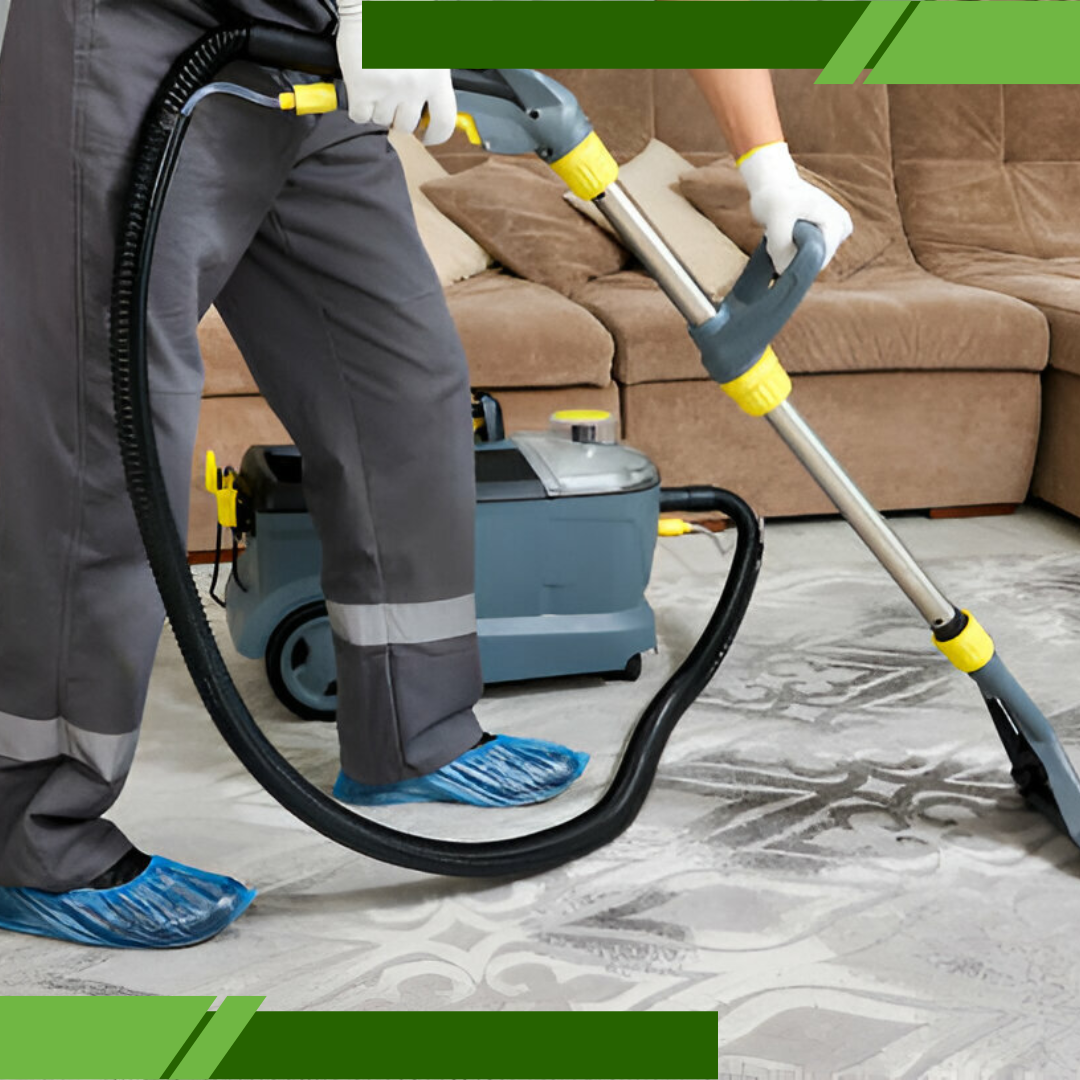
Soft surfaces in your home may look cozy and inviting, but they play a much bigger role in your indoor air quality than you might realize. Unlike hard surfaces that can be wiped clean, these materials act like magnets for dust, allergens, and airborne particles. Over time, they hold onto what they collect—impacting the freshness of the air you breathe every day. Think of every soft surface:
Each of these materials is like a sponge. They absorb particles from the air and hold onto them. That’s both good and bad. Good, because they trap dust and keep it from floating freely. Bad, because without proper care, they store those particles and slowly release them back into the air you breathe.
The topic may sound unusual at first, but once you dive in, the connection becomes clear. If you live in a community like Pacific Palisades, where homes are known for their stylish interiors and relaxed coastal living, it becomes even more important. Families spend a lot of time indoors, and kids or pets often play on soft flooring. So, learning how indoor softness affects air quality gives you the power to improve your lifestyle while protecting your loved ones.
Soft materials are part of daily life, but they are also silent collectors of dust, allergens, and even pollutants. They can be beneficial in some ways, yet also risky in others. That balance is what makes this subject so interesting—and useful to anyone who cares about home health. Many homeowners in coastal areas find that deep carpet cleaning is an effective way to manage this balance.
Every time you walk across a soft carpet, sit on a sofa, or pull closed your curtains, you stir up tiny particles hidden deep inside. These can include:
This shows how indoor softness affects air quality in daily life. Breathing these particles can lead to allergies, sinus problems, or simply a stale-smelling home. At the same time, soft materials do offer benefits like noise reduction and comfort.
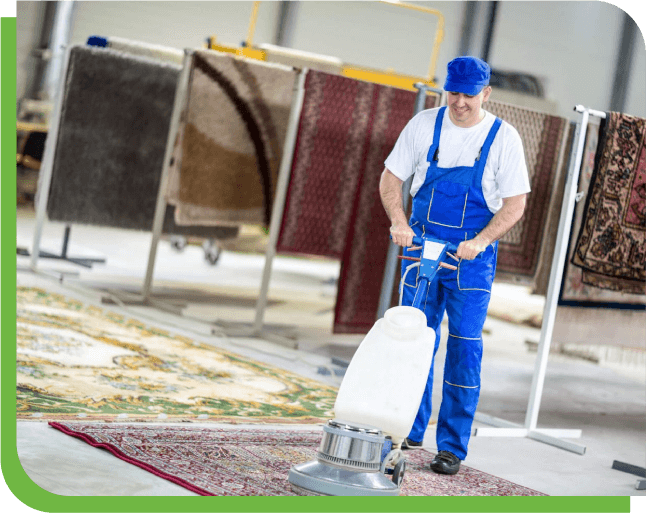
Sofas, chairs, and padded headboards may look stylish and feel relaxing, but they collect allergens just like carpets. When sunlight hits your couch and you see dust rise as you sit, that’s how indoor softness affects air quality in real time.
What commonly hides in furniture:
Without regular cleaning, the very place where you relax becomes a source of irritation.
The place where softness and air quality meet most personally is your bed. Here you spend hours breathing close to fabrics that absorb sweat, oils, and dust mites. This is why indoor softness affects air quality is especially important in bedrooms.
Simple care tips:
Fresh bedding doesn’t just feel good—it actively improves your breathing environment.
Carpets cover large areas and are used constantly. Their benefits are clear: they reduce noise, make walking comfortable, and add warmth to a room. But they also store dust deep in their fibers, absorb spills, and release odors if neglected.
In communities like Pacific Palisades, where coastal air brings extra moisture, carpets can trap dampness and encourage mold growth. Professional services such as Carpet Cleaning Pacific Palisades are one of the best ways to restore comfort while protecting air quality.
Curtains don’t get walked on, but they still absorb airborne particles and even outside pollutants when windows are open. Dust clings to fabric fibers until it’s shaken loose. Vacuuming or washing them regularly is an easy way to stop pollutants from building up.
Living near the coast is wonderful, but coastal climates bring extra challenges. Moist air, salty breezes, and frequent open windows all mean more particles enter your home. That’s why residents of Pacific Palisades need to pay special attention to how indoor softness affects air quality. Carpets and furnishings trap salt, pollen, and moisture faster than in drier climates.
Professional cleaning is often the smartest step. For families, this ensures that indoor air feels just as refreshing as the sea breeze outside.
Now that we’ve seen how indoor softness affects air quality in many corners of the home, the next question is what to do about it.
Here are some easy habits:
These actions give you control over how indoor softness affects air quality without losing the comfort you enjoy.
Whether it’s carpets, furniture, curtains, or bedding, softness changes the very air you breathe. Learning how indoor softness affects air quality helps you enjoy comfort while keeping your home healthy.
When you understand how indoor softness affects air quality, you see why cleaning and awareness matter. Instead of avoiding softness, you can embrace it while taking smart steps to stay fresh and healthy. And if you live in Pacific Palisades, caring for softness indoors helps make your home a true reflection of the refreshing lifestyle outside.
Here’s a breakdown of how softness and air quality connect in different areas:
This simple overview shows exactly how indoor softness affects air quality across the items you use every day.
If you notice dust, musty odors, or allergy symptoms indoors, your soft surfaces may be holding onto pollutants. Regular cleaning helps reveal whether softness is improving or harming your air.
Vacuuming weekly and scheduling professional deep cleaning keeps dust, allergens, and moisture under control. This is especially important in coastal areas.
Yes, soft fabrics easily trap dust, pollen, and dander that can later be released into the air. Cleaning or washing them often makes a big difference.
Washing sheets weekly in hot water and using mattress or pillow covers helps control dust mites and allergens. These small steps directly improve the air you breathe at night.
Absolutely, deep cleaning removes buildup that regular vacuuming can’t reach. It restores softness while also creating a healthier indoor environment.
We are committed to providing a world-class carpet, rug, upholstery, drapery or mattress cleaning services that will open your door to a happier and healthier green indoor environment.
We are committed to providing a world-class carpet, rug, upholstery, drapery or mattress cleaning services that will open your door to a happier and healthier green indoor environment.
