Get in touch
Fill this up to proceed

We are committed to providing a world-class carpet, rug, upholstery, drapery or mattress cleaning services that will open your door to a happier and healthier green indoor environment.
You probably vacuum your carpets and mop the floors, but what about the soft things you use every day, like your couch, pillows, or curtains? These cozy surfaces often collect layers of allergens without you even noticing. Pet dander, skin flakes, and pollen get trapped in the fabric and rise into the air whenever you sit down or open a window. In Encino, where seasonal allergens are common, those overlooked soft spots could be the reason your nose feels stuffy indoors.
Think about your favorite throw blanket. It may look clean, but when was the last time you washed it? Now consider your rugs, cushions, and that pile of decorative pillows. These cozy accents often go untouched for months, sometimes even years. Unfortunately, they’re also some of the biggest hidden allergen triggers, quietly collecting dust, dander, and other irritants. Pairing regular laundry habits with professional carpet cleaning can make a big difference in improving your home’s indoor air quality over time.
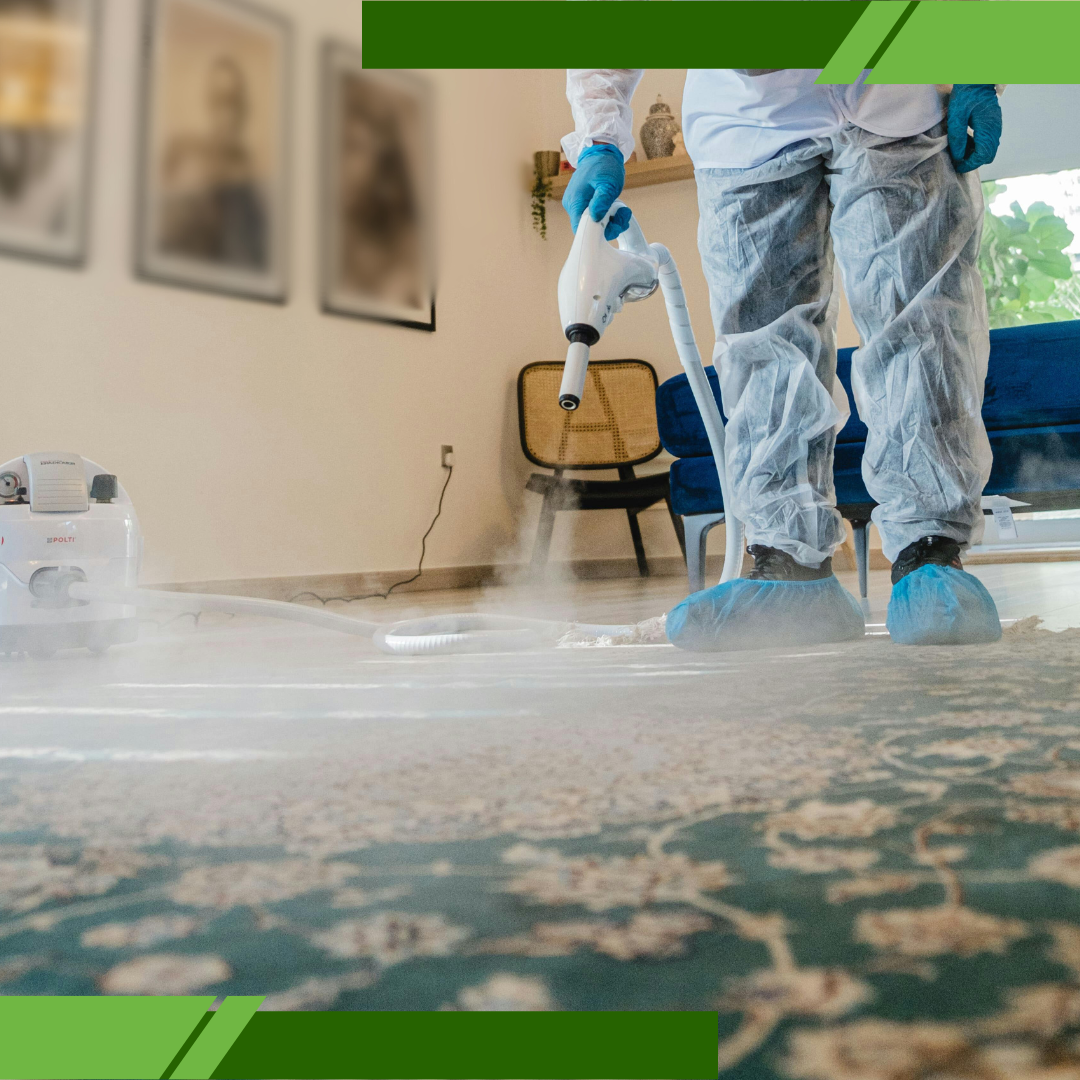
Soft surfaces like carpets and upholstery are common carriers of household allergens, often holding onto particles long after regular cleaning. Curtains catch pollen, smoke, and dust as they move with the air, while rugs and carpets trap dirt and pet dander deep within their fibers. Cushions and sofas quietly collect sweat, hair, and crumbs, and mattresses and bedding naturally attract dust mites and dead skin. To truly ease symptoms like sneezing or itchy eyes, surface-level cleaning isn’t enough. That’s why calling in a trusted professional home cleaning service makes such a difference; they go deep into the fabrics to remove years of buildup. Thoroughly cleaning these soft surfaces not only clears away hidden dirt, but also improves the air you breathe every day.
Your home might look spotless, but the air inside could still be carrying invisible irritants. HVAC systems are often among the biggest indoor allergen triggers. Why? Because they circulate air and everything in it, throughout your living space. Each time you turn on the heat or A/C, you could also be spreading mold spores, pet hair, and layers of old dust from your vents. In Encino, where temperature changes keep systems running year-round, keeping vents clean is especially important for healthier air.
This isn’t just about dirty filters. Over time, your ductwork builds up a thick layer of grime that becomes a major interior allergen trigger, especially for those with sensitive respiratory systems. Each time your system kicks on, those trapped particles are released right into your living space.
If your family deals with regular allergy flare-ups or dry, nagging coughs, poor airflow, and dirty vents could be the root cause. Clean air ducts and fresh filters can drastically reduce allergen levels and make it easier to breathe. But this goes far beyond a simple dusting.
For a deeper clean that targets the entire system, consider professionals who specialize in air systems. Carpet Cleaning Encino doesn’t just handle floors; they’re also equipped to eliminate deeper allergen buildup from both vents and fabrics, helping your whole home feel fresher and healthier.

Sometimes, what smells fresh can actually be harmful. If your cleaning routine depends on scented sprays, candles, or harsh chemical cleaners, you might be adding hidden allergen triggers into your indoor air. Many of these products release volatile compounds that linger and build up, often leading to sneezing, coughing, or even headaches. Families in Encino are especially mindful of this, choosing safer alternatives to keep their homes smelling clean without sacrificing air quality.
The unfortunate truth? Clean doesn’t always mean healthy. Some of the strongest products can worsen indoor air quality and act as major interior allergen triggers, especially when used frequently in tight spaces with poor ventilation.
Rather than masking odors, try switching to fragrance-free or plant-based cleaners like vinegar, lemon, or baking soda. Microfiber cloths are another smart choice, as they capture dust instead of just moving it around. These simple swaps help eliminate interior allergen triggers instead of adding new ones.
And if you’re unsure which products are truly safe or feel like allergens still linger despite your efforts, reach out to a local professional who uses eco-conscious methods. They’ll clean your space thoroughly, without introducing more irritants into the air.
What about the parts of your home you rarely see? Spaces like basements, attics, and storage rooms are some of the biggest interior allergen triggers. Cracks in the walls, hidden leaks, or damp corners create ideal conditions for mold to grow, and if you’ve got clutter, it becomes even easier for dust mites and mildew to settle in undisturbed.
That forgotten pile of newspapers or bins of old clothes may seem harmless, but they’re often overlooked interior allergen triggers that can affect your health over time. Keeping these areas organized, dry, and clutter-free doesn’t just help your storage; it helps your lungs breathe easier, too.
Simple changes, like sealing cracks or using a dehumidifier, can go a long way in reducing the spread of allergens. Don’t wait until coughing or sneezing becomes a constant problem. In Encino, where seasonal shifts can stir up extra irritants, if surface cleaning isn’t making a difference, it may be time to look deeper, literally.
Professional cleaners with experience in whole-home allergen care can spot hidden trouble zones others might miss. From carpets to crawl spaces, choosing the right team ensures that your home truly feels clean, not just on the surface, but deep down where it matters most.
If symptoms ease outdoors but worsen inside, especially in carpeted or closed rooms, interior allergens are likely the cause.
Start with soft surfaces like carpets and curtains, then check vents and ducts where allergens can build and spread.
Yes. Scented products release VOCs that can worsen symptoms. Use fragrance-free or natural cleaners to avoid adding irritants.
DIY helps, but deep allergens in ducts or furniture often need professional tools. Experts ensure safer, more thorough cleaning.
Vacuum twice a week, wash bedding weekly, deep clean soft items every 3–6 months, and replace filters monthly.
We are committed to providing a world-class carpet, rug, upholstery, drapery or mattress cleaning services that will open your door to a happier and healthier green indoor environment.
We are committed to providing a world-class carpet, rug, upholstery, drapery or mattress cleaning services that will open your door to a happier and healthier green indoor environment.
