Get in touch
Fill this up to proceed

We are committed to providing a world-class carpet, rug, upholstery, drapery or mattress cleaning services that will open your door to a happier and healthier green indoor environment.
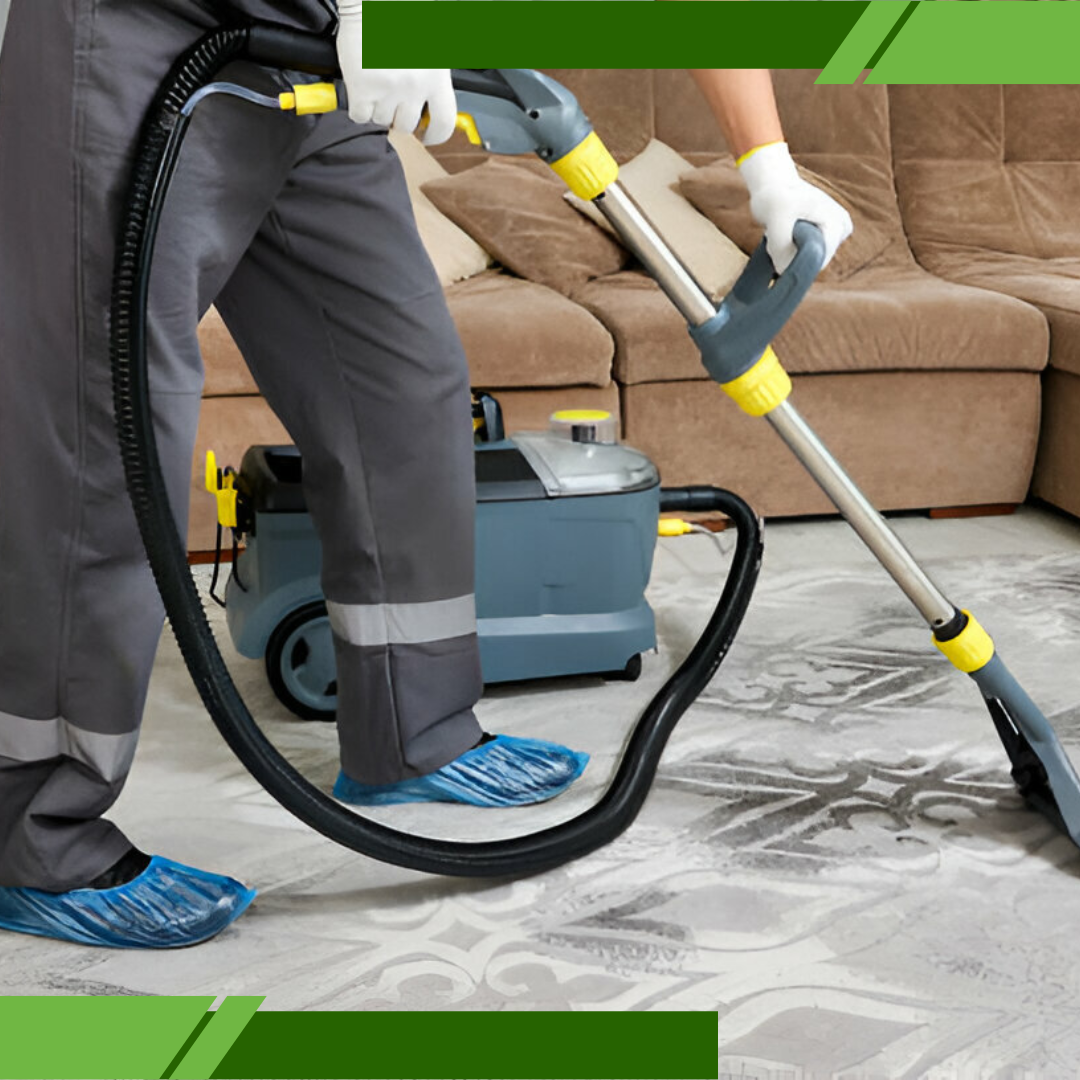
Accidents happen when we least expect them. A glass of wine tips over, muddy shoes run across the living room, or coffee spills on a favorite chair. Most people rush to clean it up, but sometimes that rush creates more trouble than the spill itself. Scrubbing, pouring too much cleaner, or using heat too soon are common spot treatment mistakes that make stains worse.
Think of it this way: when you get a small cut, you don’t rub it hard to make it heal faster. The same is true with stains. The wrong move can push the mess deeper into the fabric and lock it in. That’s why it’s so important to learn what not to do. For anyone unsure where to start, trusted local experts are always a safe resource.The first mistake many people make is scrubbing. It feels natural to rub at a stain, but scrubbing spreads the mess wider and forces it deeper into the fibers. This is one of the most common spot treatment mistakes that make stains worse. Scrubbing can also damage carpet fibers, leaving a worn patch even after the stain fades.
The smarter choice is blotting. By pressing a clean cloth down on the spill and lifting it up, you absorb liquid instead of spreading it. Repeating this several times keeps the stain from settling in and makes later cleaning much easier. It may feel slower, but blotting prevents long-term damage.
Heat may seem helpful, but in many cases, it does the opposite. Using hot water or even an iron to treat stains can set them permanently. Protein-based stains, like blood or dairy, become locked into fibers when exposed to high temperatures. This is another example of spot treatment mistakes that make stains worse.
Cold water is safer for most fresh stains. Only after identifying the stain type should you decide if warm water is safe. Think of heat as glue—it bonds the stain to the material, making it much harder to remove later.
Another frequent problem is thinking that more product equals better results. Pouring half a bottle of cleaner on a small stain often leads to sticky residue. That residue then attracts dirt, so instead of fixing the problem, it creates a new one. Overuse of cleaning products is another one of those spot treatment mistakes that make stains worse.
Too much product can also bleach or weaken delicate fabrics. For example:
The safer method is always using less cleaner at first and testing it on a hidden spot. This avoids damaging the material while still lifting the stain. For homeowners in Pacific Palisades, this approach keeps high-quality rugs and upholstery looking their best. If a stain proves too tricky, professionals at Carpet Cleaning Pacific Palisades can apply the right solutions without risking permanent damage.
Every fabric reacts differently. Wool, silk, polyester, and cotton all need specific care. Using the wrong cleaner or method across the board is one of the simplest spot treatment mistakes that make stains worse.
For example:
Always check fabric labels or care guides before trying any treatment. This small step can save you from a costly mistake.
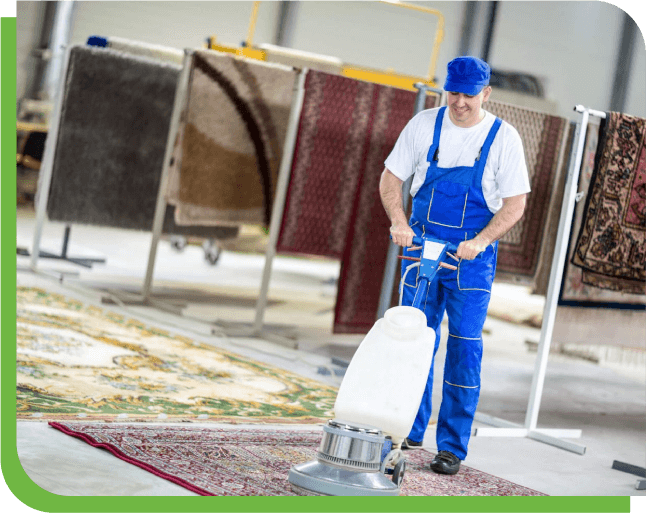
Sometimes people notice a stain but decide to wait. Maybe it looks small or isn’t too visible. But waiting allows the stain to seep deeper into the fabric. What could have been an easy fix becomes a stain that feels permanent. This delay is one of the most overlooked spot treatment mistakes that make stains worse.
In Pacific Palisades homes, where interiors are often light and airy, a tiny stain left untreated can stand out against bright carpets or furniture. That’s why treating stains quickly is always the best choice.
Not every internet tip works in real life. Baking soda, hydrogen peroxide, or vinegar can help in certain situations, but on the wrong fabric or stain, they can make things worse. Hydrogen peroxide might bleach colors, and salt can grind deeper into fibers if scrubbed. This trial-and-error approach is another of the common spot treatment mistakes that make stains worse.
Following reliable advice or calling in professionals is the safer route. Sometimes trying to save time with a home remedy only creates more damage and higher costs later.
Many people stop after applying cleaner, but not rinsing leaves residue behind. That residue attracts new dirt, creating a dark patch later. This oversight is another way spot treatment mistakes that make stains worse sneak up on homeowners.
Rinsing with clean water and blotting until dry ensures the cleaner doesn’t linger in the fibers. This final step makes a big difference in long-term results.
Moisture is another hidden enemy. After cleaning, if the spot remains damp, it becomes a breeding ground for mold and mildew. Not drying properly is among the spot treatment mistakes that make stains worse, and it can create odors that linger.
The fix is simple: dry thoroughly. Open windows, use a fan, or press dry towels into the area until no moisture remains. This prevents mold growth and keeps fabrics fresh
Quick-fix sprays promise instant stain removal, but overusing them causes problems. Their strong chemicals may wear down fibers or leave stiff patches. Relying too heavily on them is one of the sneaky spot treatment mistakes that make stains worse over time.
Think of these sprays as emergency tools, not everyday solutions. For frequent stains, relying only on sprays may shorten the life of your carpets and upholstery..
Life in Pacific Palisades comes with beautiful homes and lively gatherings, but spills are unavoidable. The difference between a lasting stain and a quick clean-up often comes down to avoiding spot treatment mistakes that make stains worse.
Here are the biggest mistakes to avoid:
By remembering these tips, you protect your furniture, rugs, and carpets from permanent damage. And when in doubt, calling in experienced professionals ensures stains are treated safely and effectively. In Pacific Palisades, where homes deserve the best care, avoiding these mistakes keeps interiors fresh, inviting, and beautiful.
The best way is to blot gently with a clean cloth instead of scrubbing. Scrubbing pushes the stain deeper, while blotting absorbs it.
Excess cleaner leaves behind residue that attracts dirt. A small amount works better and avoids damaging fabrics.
No, hot water can set protein-based stains like blood or milk. Cold water is usually safer until you know the stain type.
Stains that sit longer bond deeper into fibers, making them harder to remove. Quick action always gives the best results.
If stains don’t respond to safe at-home methods or cover delicate fabrics, it’s best to call professionals. They have the right tools and cleaners for tough stains.
We are committed to providing a world-class carpet, rug, upholstery, drapery or mattress cleaning services that will open your door to a happier and healthier green indoor environment.
We are committed to providing a world-class carpet, rug, upholstery, drapery or mattress cleaning services that will open your door to a happier and healthier green indoor environment.
