
When you think of a clean home, you might imagine tidy floors, fresh-smelling laundry, and no clutter. But there’s something far more invisible and often overlooked: dust. It gathers slowly, settles in quiet corners, and lingers in the air we breathe every day. The real concern isn’t just the mess—it’s how dust and indoor air quality play a major role in your overall health and your home’s comfort. What seems harmless can actually be a silent threat lurking in plain sight.
Dust is made up of all sorts of things—dead skin cells, pet dander, dirt, pollen, and even fabric fibers. Once it settles, it can become a breeding ground for dust mites, mold spores, and other allergens. When your home isn’t properly ventilated or cleaned, these particles affect the air quality and, in turn, your body. Poor air quality doesn’t just stay in your living room or bedroom. It flows throughout the house. With every breath, you take in more than oxygen—you inhale whatever is floating in the air. And when the air contains a high amount of dust, that’s a recipe for health issues.
The link between dust and indoor air quality is more serious than most people realize. It’s not just about being sneezy in spring—it’s about creating a healthy living space year-round. Breathing clean air should be as natural as drinking clean water, but without effort, it’s often not the case. Let’s break this down to see exactly how dust and indoor air quality affect your daily life—and what you can do about it.
Dust collects for many reasons, and one of the biggest culprits is stagnant air. Homes today are built to be energy-efficient, which means they’re sealed tight. While this saves money on utilities, it also means less fresh air comes in. The same air circulates over and over, and any dust in it keeps moving around with no way out.
Carpet and upholstery fibers break down and release tiny particles into the air. Pets shed dander and fur, which becomes airborne and settles as dust. Outdoor particles like dirt and pollen enter through windows or on shoes.
Everyday actions like walking or making the bed stir up hidden dust. When you look closely, you’ll see the strong connection between dust and indoor air quality. With each activity, the quality of the air you breathe can quickly change, especially in homes around Agoura Hills, where seasonal pollen and dry conditions can add to indoor particle levels.
Dust might seem like a minor annoyance, but long-term exposure can create real health issues. It’s not just about sneezing or coughing for a few minutes—it’s about repeated contact with airborne irritants that your body struggles to process.
Dust and indoor air quality issues can trigger allergies and asthma, as dust carries allergens like pollen, mold spores, and pet dander. For people with sensitivities, even a small amount can cause wheezing, coughing, and itchy eyes. Inhaling fine dust particles can irritate the lungs, especially for children, the elderly, and those with existing respiratory conditions.
Dust can also settle on skin, causing rashes or dryness, and irritate the eyes, making them red, itchy, and watery. Living in a dusty home may keep your body in a state of low-level inflammation, weakening your immune response over time. It’s easy to overlook how harmful dust and indoor air quality can be until symptoms start to appear. By then, you’re reacting to the problem instead of preventing it.
Even if your home looks clean on the surface, dust may be hiding in places you wouldn’t think to check. These hidden areas become hotspots for poor dust and indoor air quality.
Dust often gathers in air vents, which then spread it throughout the home when the system runs. It builds up behind furniture, where cleaning rarely reaches. Ceiling fans and light fixtures collect layers of dust that fall onto surfaces below. Mattresses and bedding trap skin flakes and fabric particles, while curtains and blinds hold onto dust and release it when moved. Bookshelves and knick-knacks can also release paper and wood particles. All these spaces directly affect dust and indoor air quality, even if they’re not part of your daily cleaning routine, which is why it’s important to go beyond surface cleaning.
Once you understand how closely dust and indoor air quality are linked, it becomes clear that cleaning isn’t just about appearance—it’s about health. Taking steps to improve your home’s air quality can lead to better sleep, fewer allergies, and more energy throughout the day.
Vacuuming regularly with a HEPA filter helps trap even the tiniest particles and prevents them from being blown back into the room. Dusting with microfiber cloths prevents buildup and reduces what circulates in the air. Using an air purifier in bedrooms or common areas can help maintain clean, fresh air. Cleaning or replacing HVAC filters every one to three months keeps circulation healthy. Minimizing clutter means fewer surfaces for dust to land on, and removing shoes at the door helps keep outdoor dust and debris from being tracked inside. Adding certain houseplants can even help filter indoor air. Following these steps keeps dust and indoor air quality in better balance, improving what you breathe every day.

While regular cleaning helps, some particles are too deeply embedded to remove with just basic tools. That’s where professional services come in. From upholstery to rugs, they have high-powered equipment designed to target hidden dust at the source.
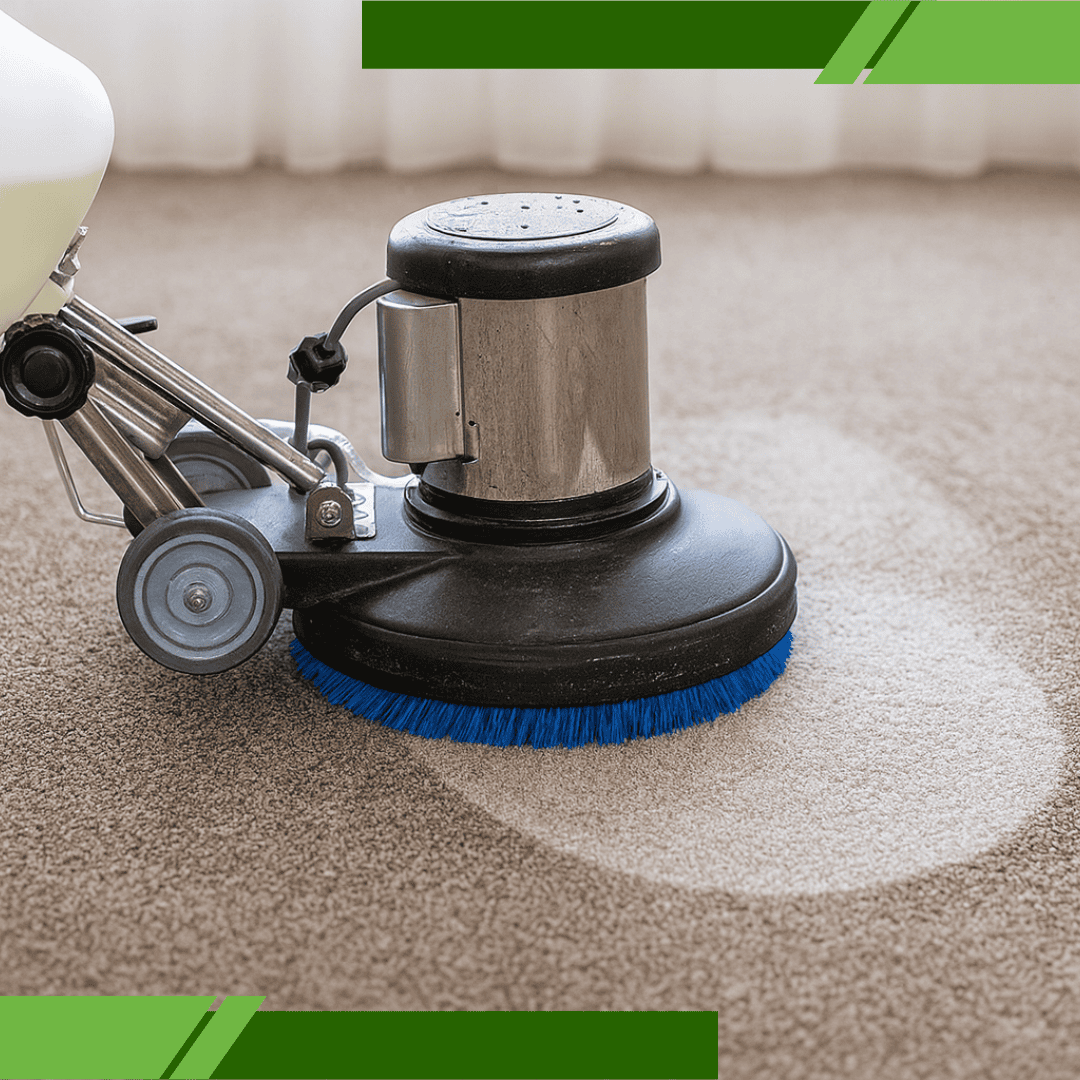
You don’t need to wait for a health issue to consider this. Think of it as preventative maintenance for your home. For example, expert carpet cleaning solutions can dramatically reduce hidden allergens and improve air freshness in just one session. Professional cleaning can remove allergens from hard-to-reach fibers, improve the smell and freshness of the air, extend the life of carpets, curtains, and furniture, and reduce dust levels that basic cleaning can’t touch. Investing in occasional deep cleaning is a smart way to protect your family’s health without completely overhauling your cleaning routine.
Sometimes the clues are subtle. You may not immediately connect symptoms to dust and indoor air quality, but once you notice a pattern, it becomes hard to ignore.
Warning signs include persistent coughing, sneezing, or congestion indoors, dust buildup just days after cleaning, visible haze when sunlight shines through the window, unexplained fatigue or headaches, musty odors or signs of mold, and allergies that worsen at home but improve outside. If you’ve noticed any of these, it might be time to reassess your indoor environment. You can start by visiting Carpet Cleaning Agoura Hills for targeted solutions that can help refresh your entire home.
Believe it or not, even your choice of furniture and materials affects dust levels. Some fabrics and surfaces collect and hold onto particles more than others.
Leather furniture resists dust and is easy to wipe clean, while velvet or suede tends to collect dust more easily and requires more frequent cleaning. Hardwood flooring doesn’t trap dust like carpets do, while carpeted flooring holds onto particles and needs deep cleaning. Roller blinds are easier to clean and attract less dust, while fabric curtains can trap dust and release it every time they move. If you’re living in Agoura Hills or nearby areas, choosing the right materials combined with routine maintenance can make a noticeable difference in dust and indoor air quality.
At the end of the day, your home should be your sanctuary. Clean air and a dust-free space aren’t luxuries—they’re part of a healthy lifestyle. Paying attention to dust and indoor air quality can make your home feel fresher, your body feel better, and your mind feel clearer.
You don’t have to become a scientist or invest in expensive tools to make a difference. Just start by noticing what you breathe and being a little more mindful of how you clean. Sometimes the smallest actions—like changing an air filter or wiping down a shelf—can have the biggest impact. And when you need a deeper level of care, trusted professionals in Agoura Hills are ready to help keep your home safe, clean, and easy to breathe in every day.
If you notice frequent sneezing, coughing, or a dusty film on surfaces shortly after cleaning, your indoor air may have high dust levels. Other signs include musty smells and allergy symptoms that worsen at home.
Start by vacuuming with a HEPA filter, using microfiber cloths to dust, and changing HVAC filters regularly. Removing shoes indoors and minimizing clutter also help lower dust buildup.
Yes, it can trigger allergies, asthma, respiratory irritation, and fatigue over time. Even people without allergies may experience eye or throat discomfort in dusty environments.
Weekly dusting and vacuuming, plus monthly air filter changes, are usually enough for most homes. Homes with pets or high traffic may need more frequent cleaning.
Absolutely—professional services can remove deep dust and allergens that regular cleaning can’t reach. This is especially helpful after renovations or during allergy seasons.
Thank you. We’ve received your submission and will get back to you shortly.